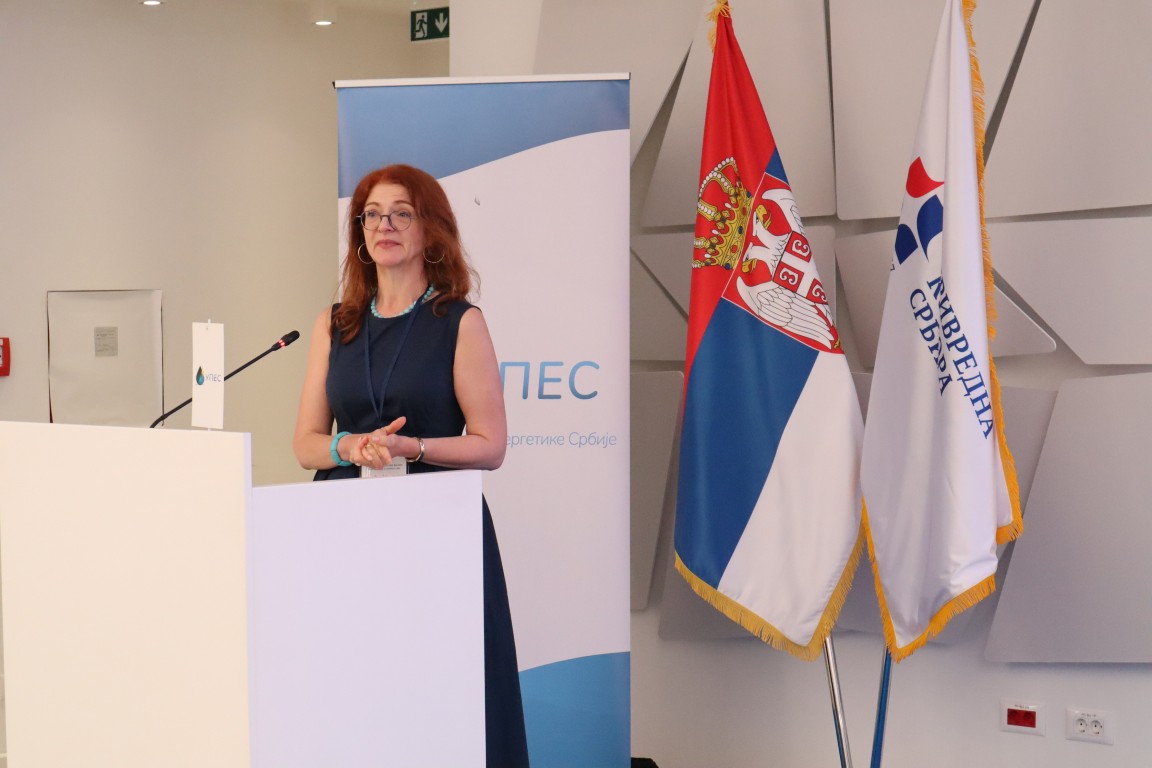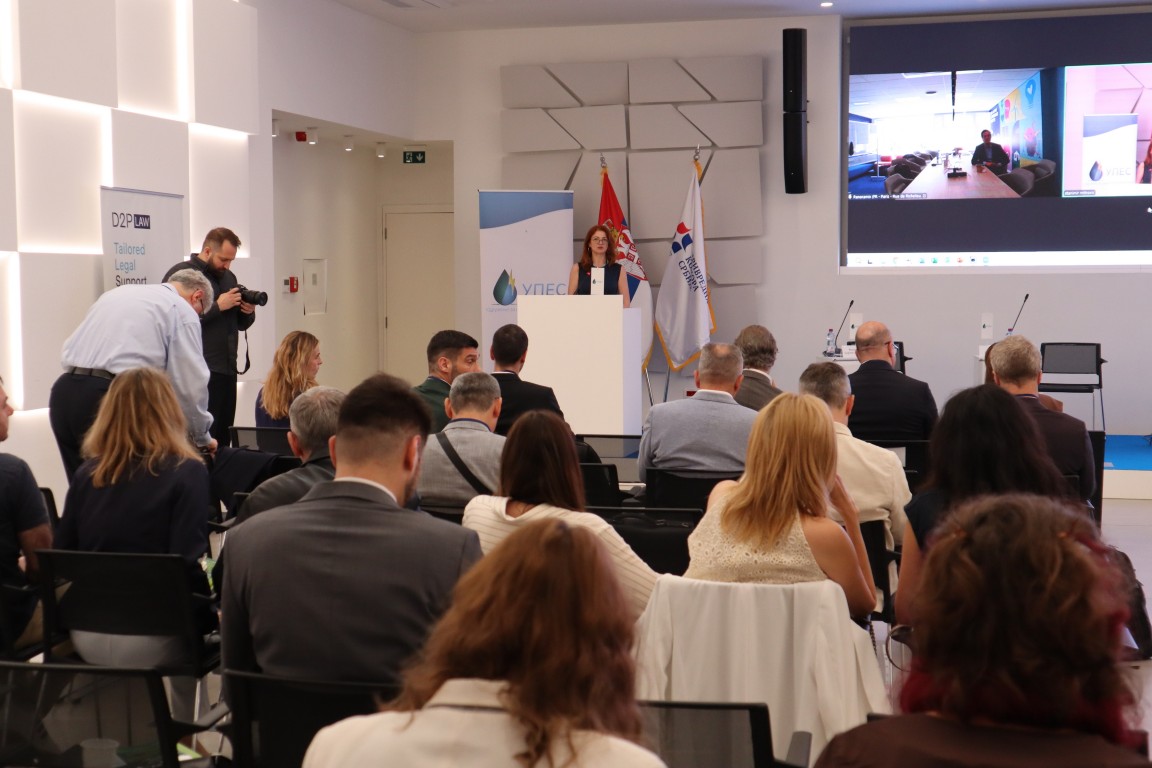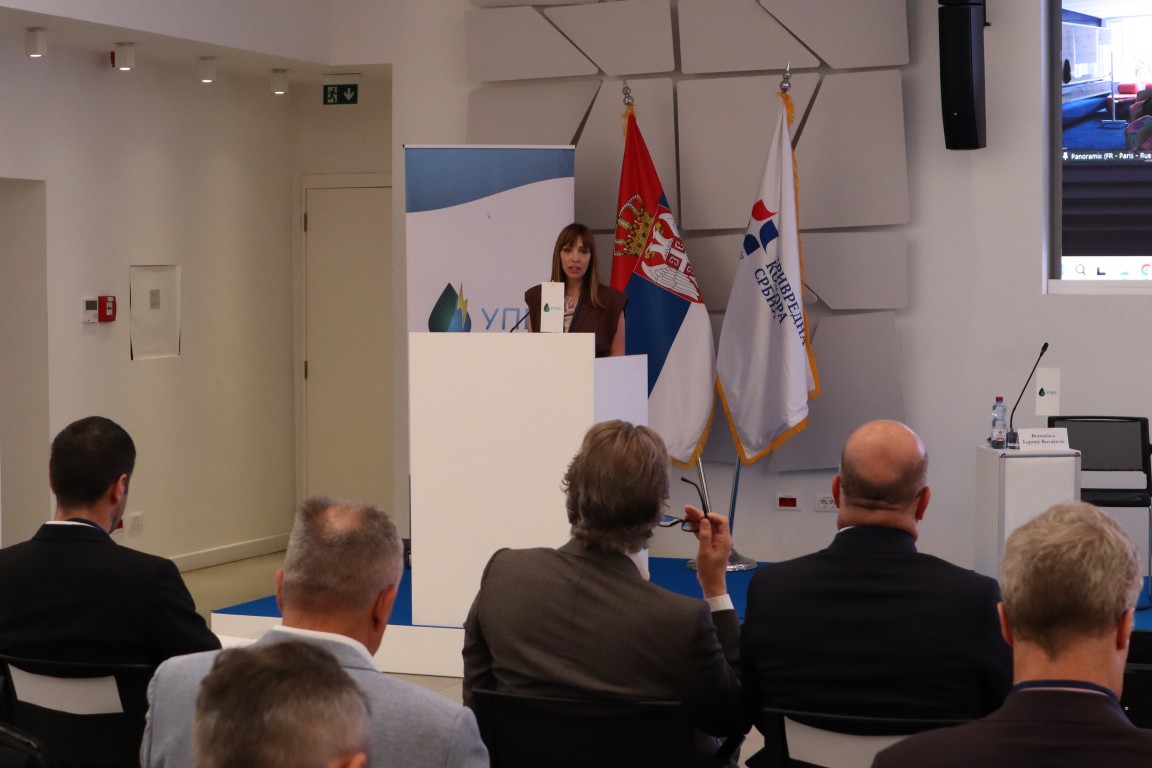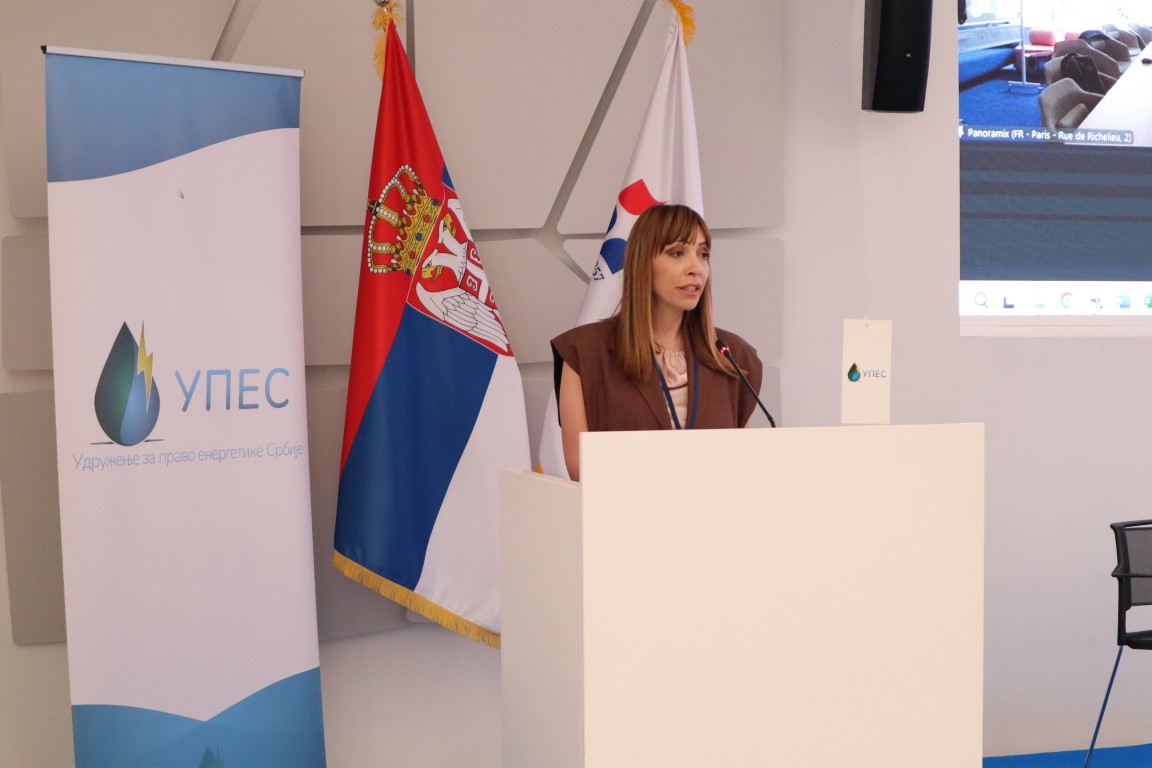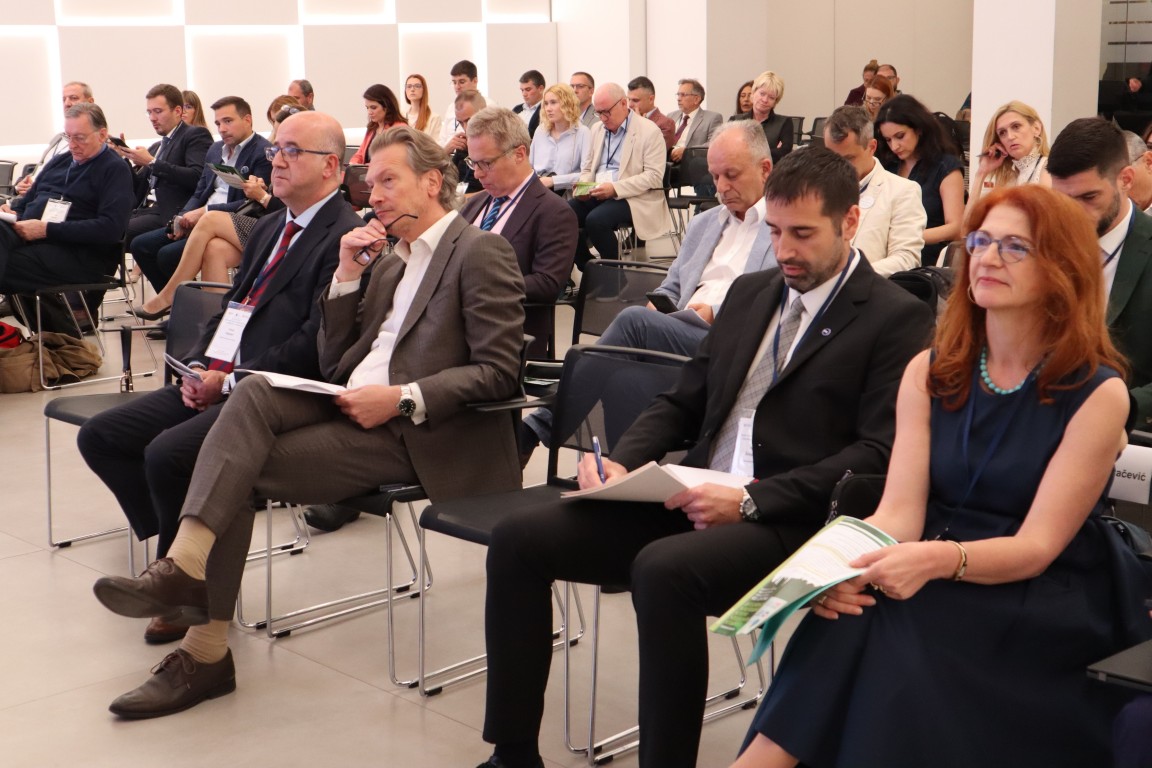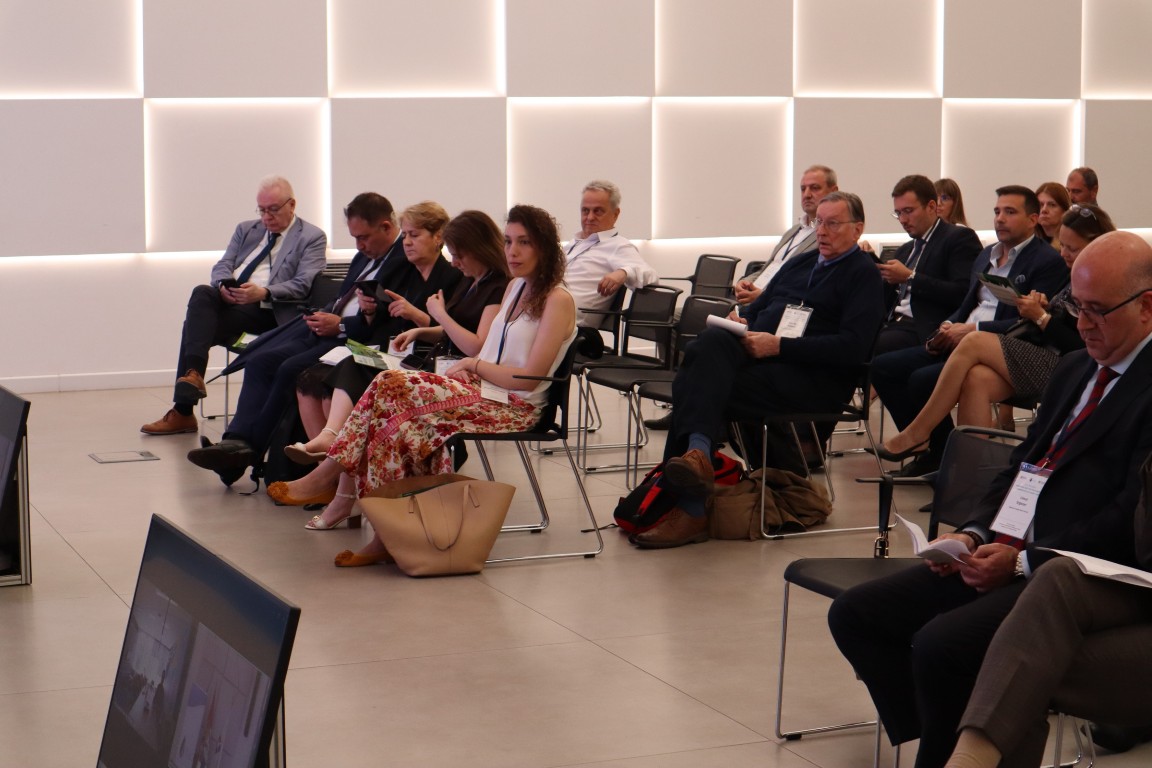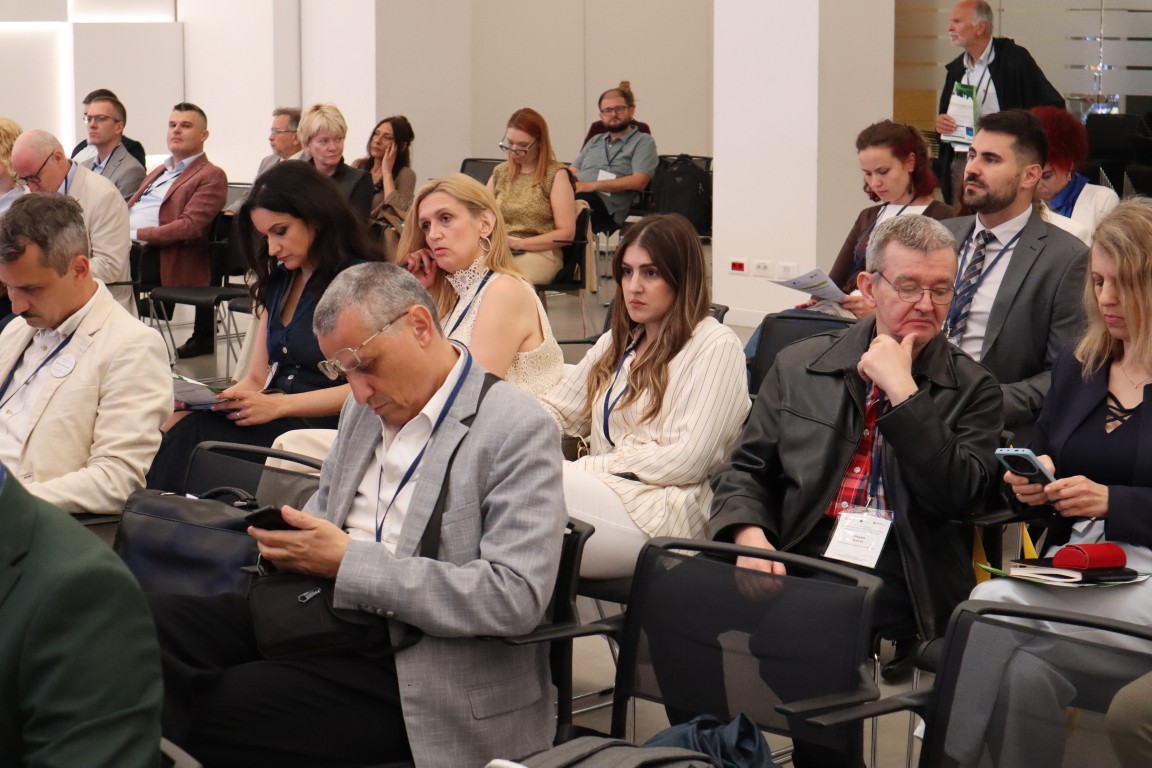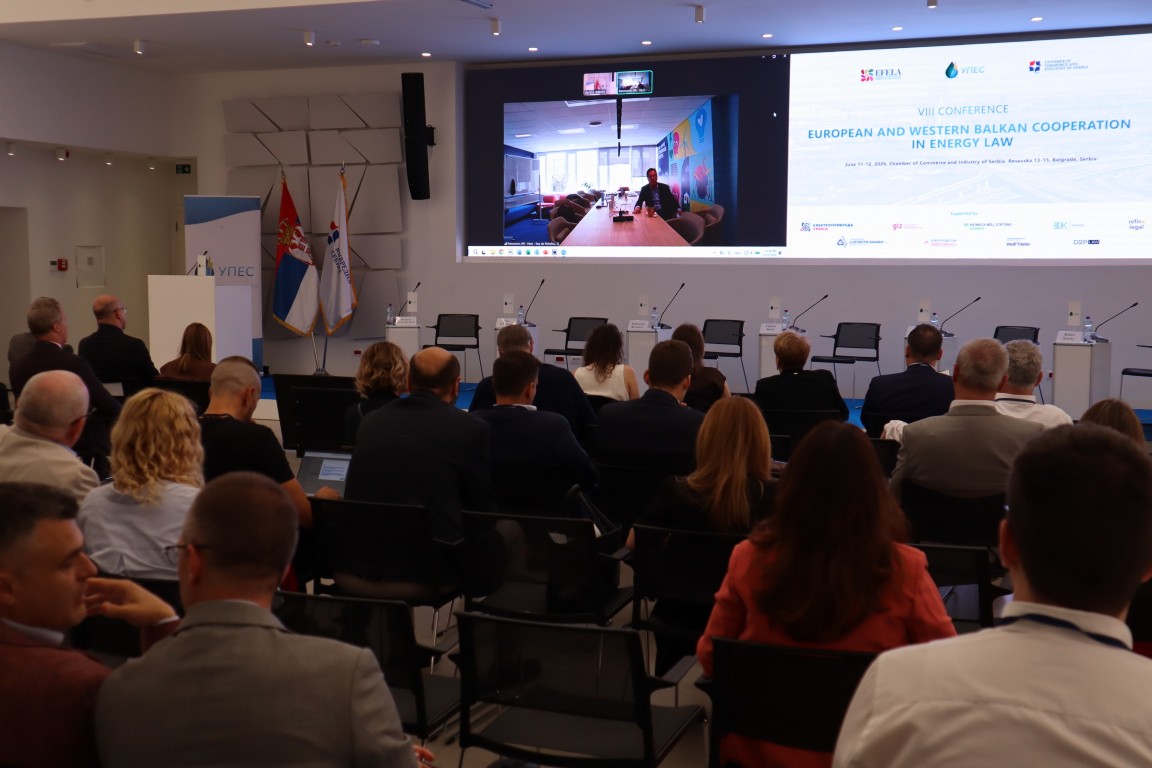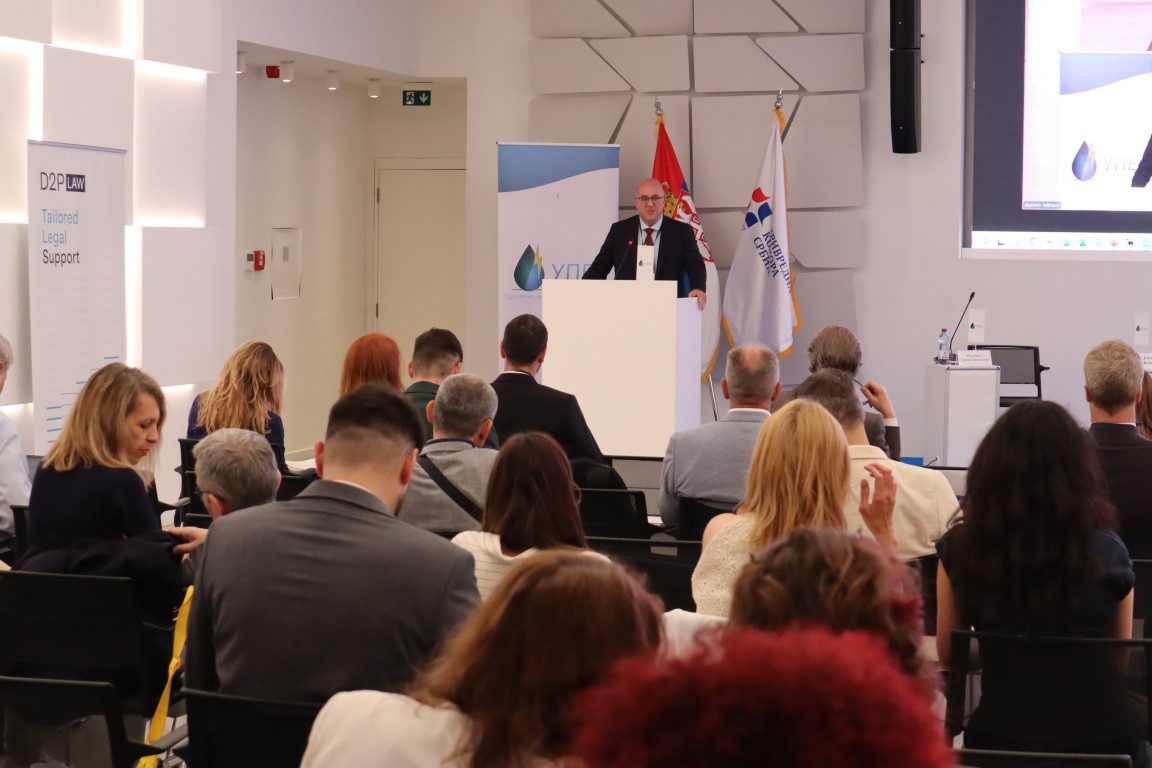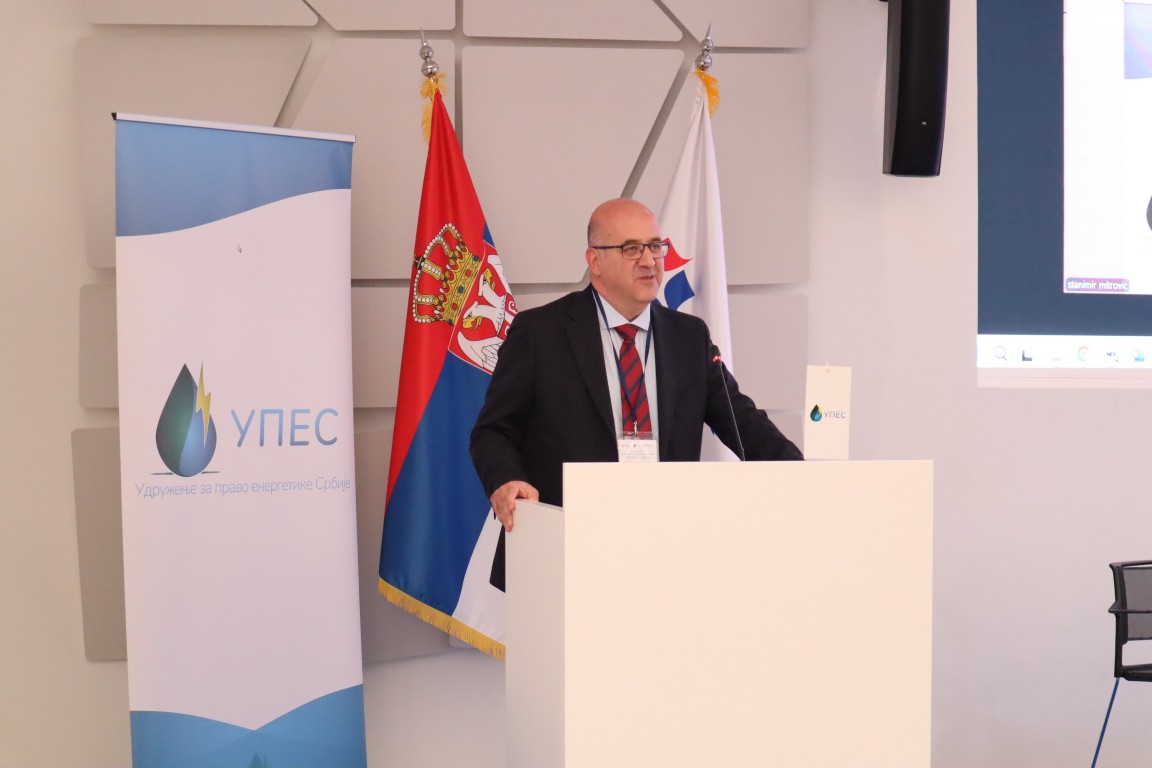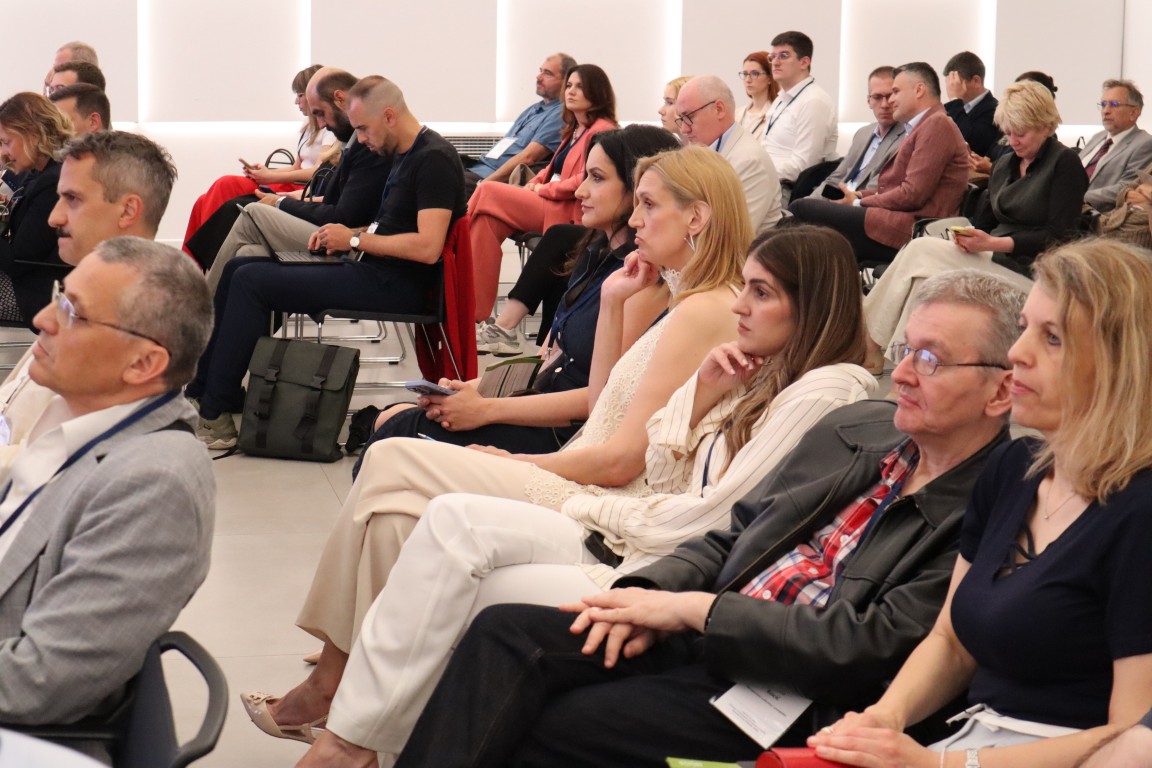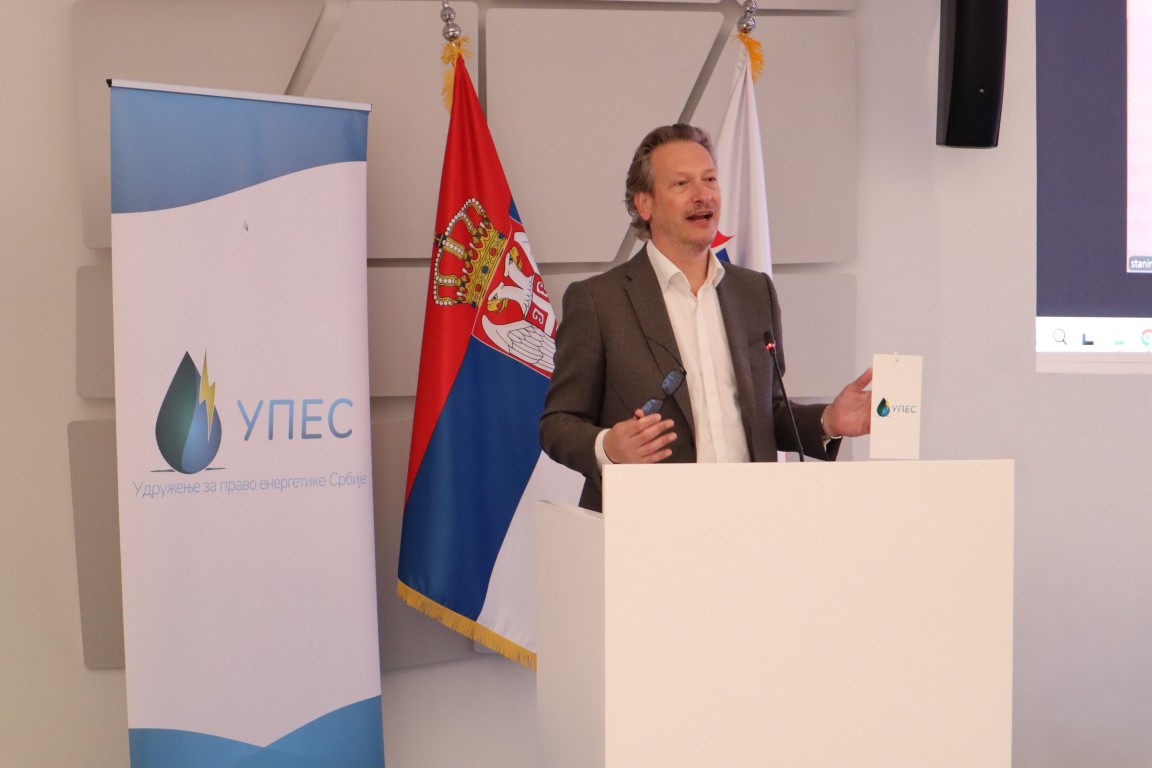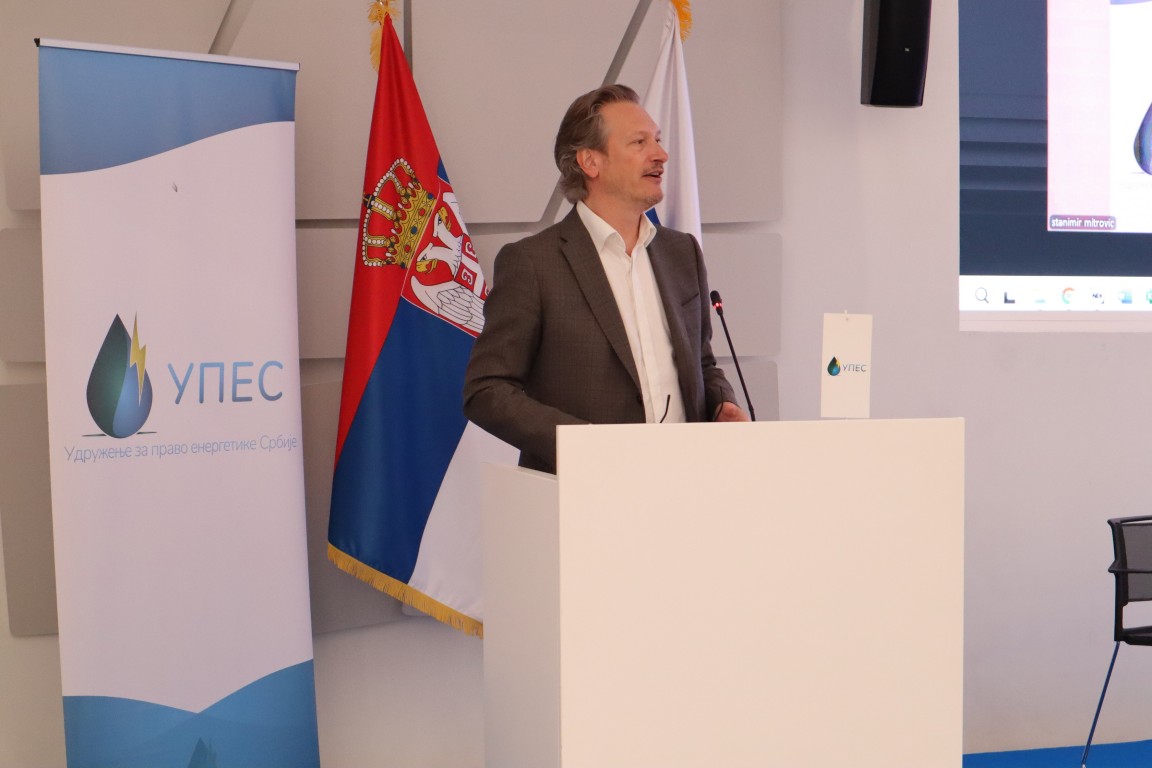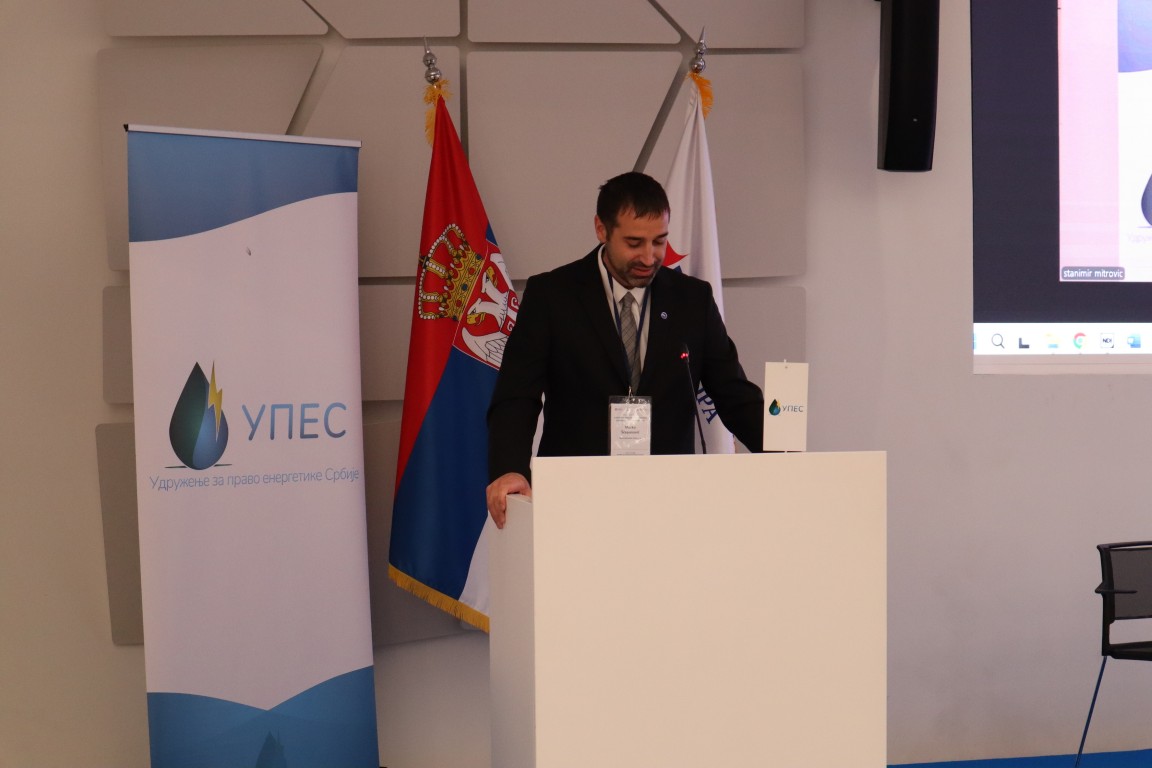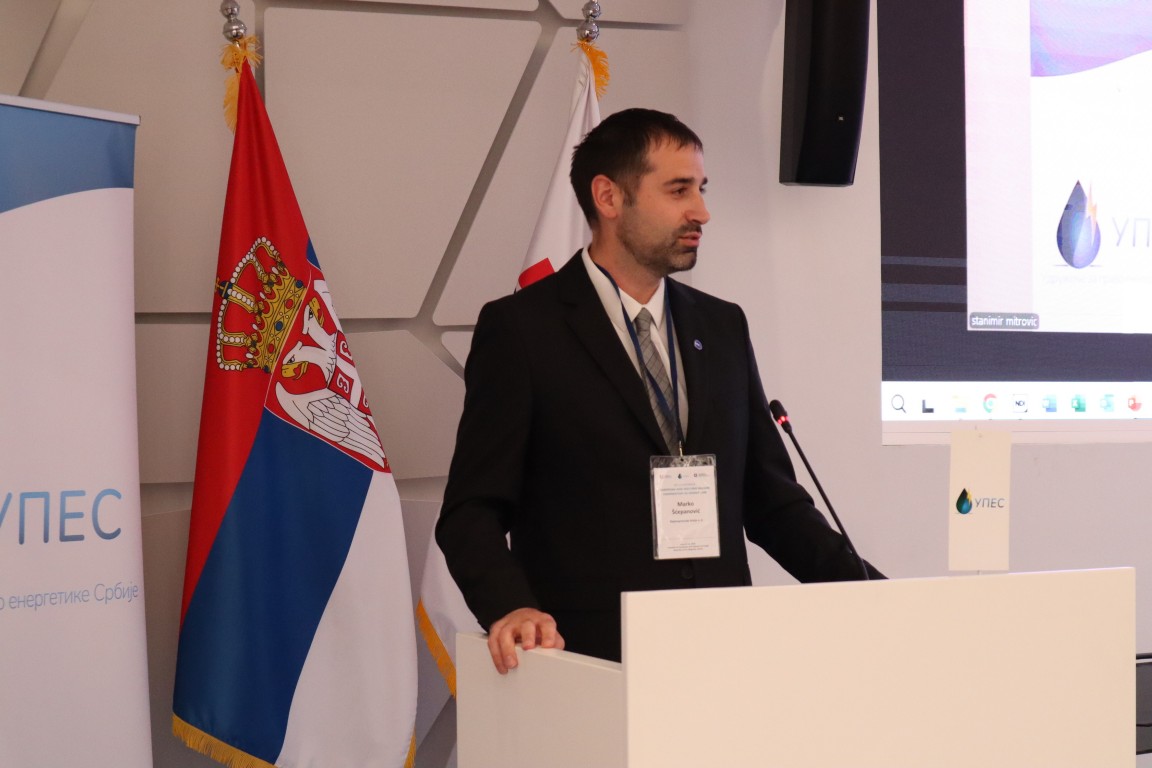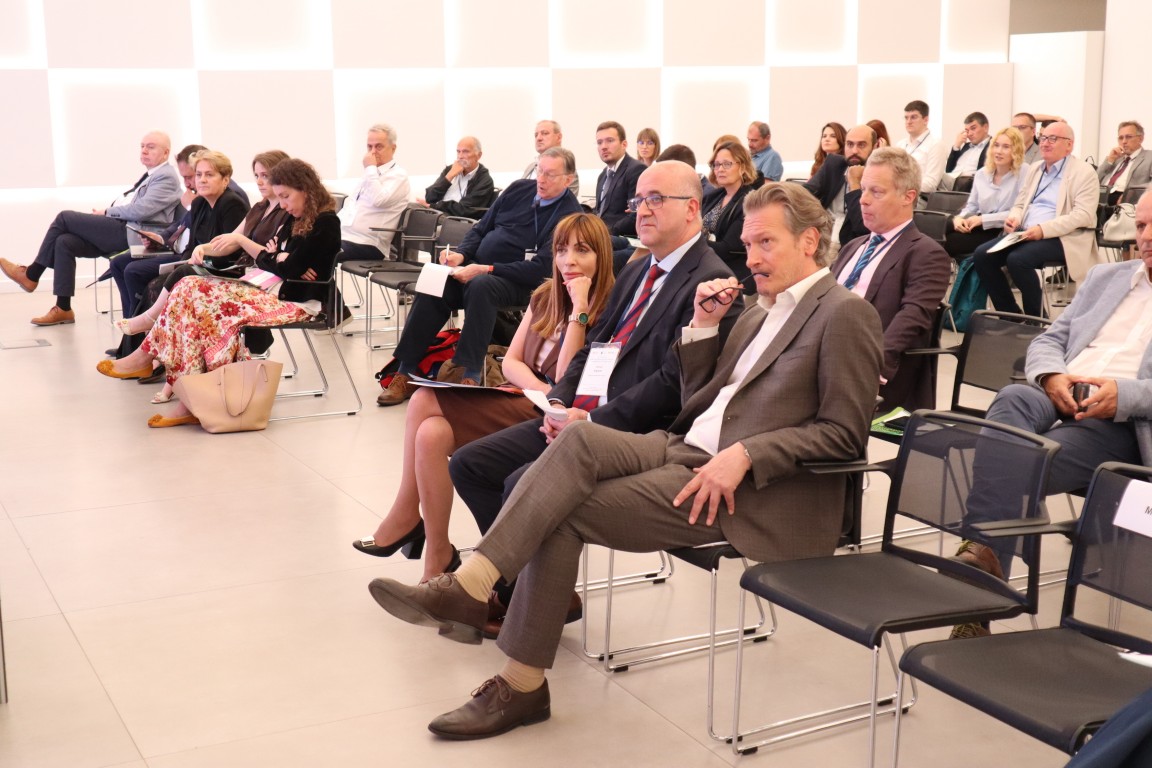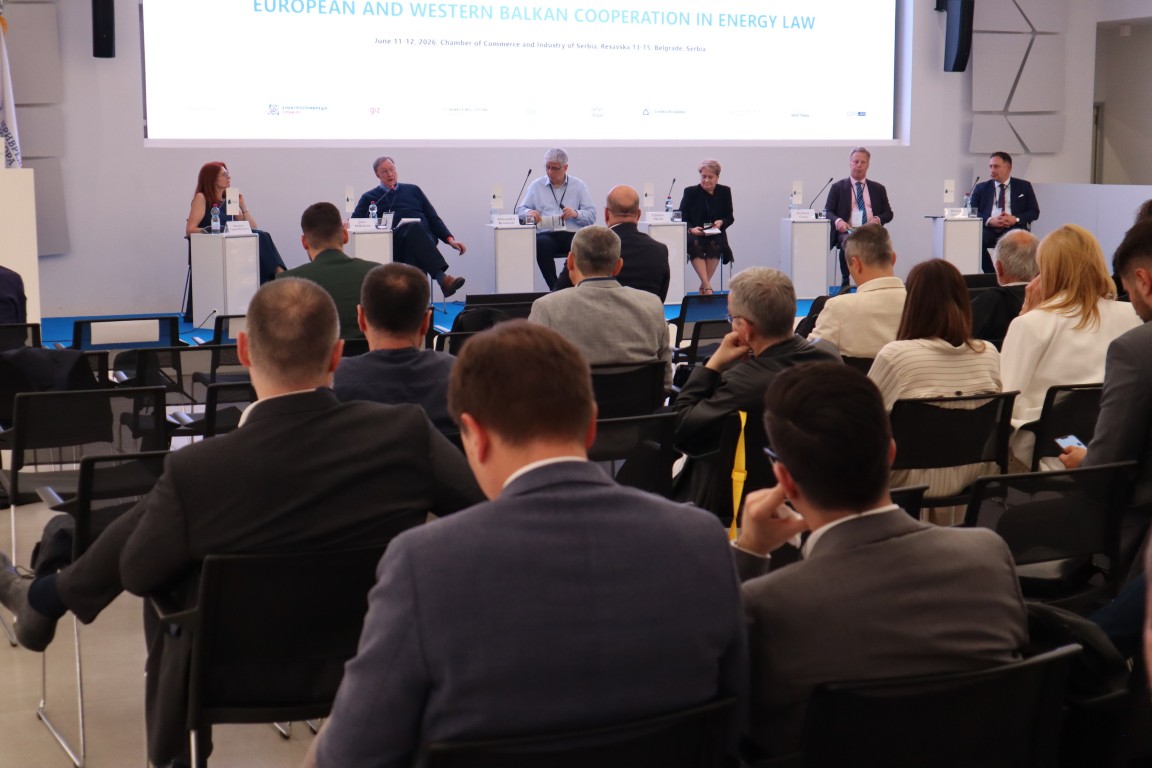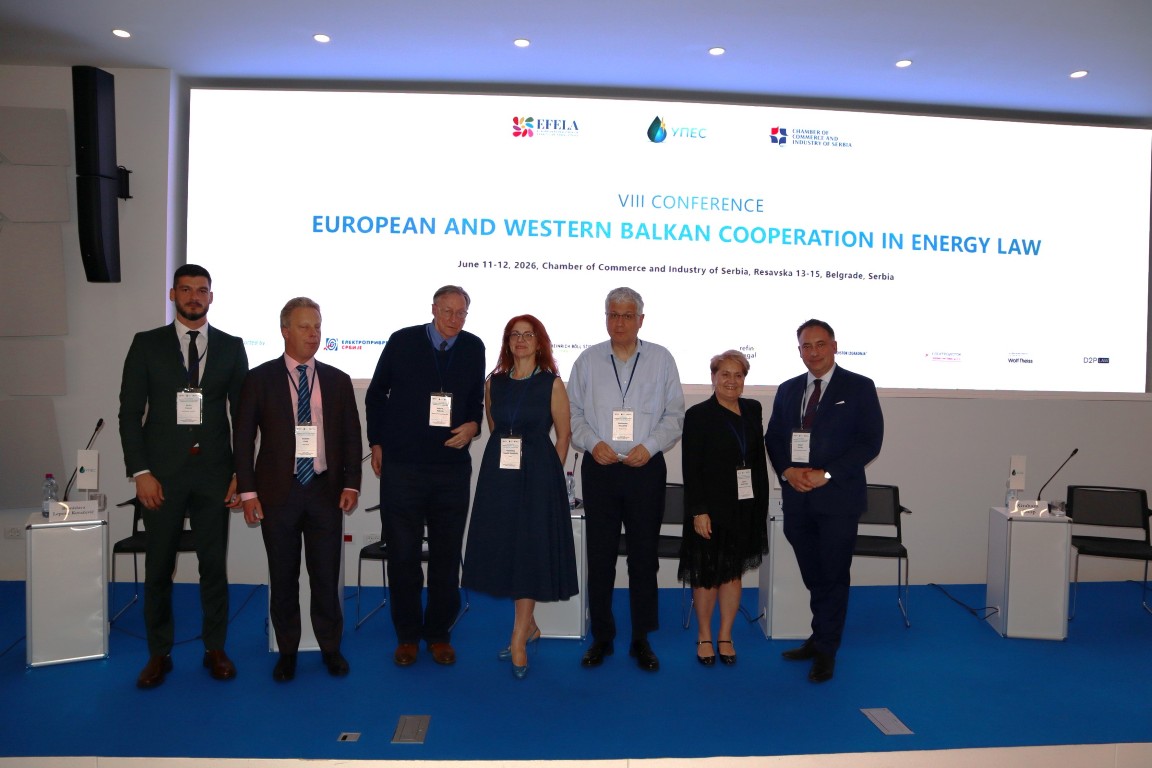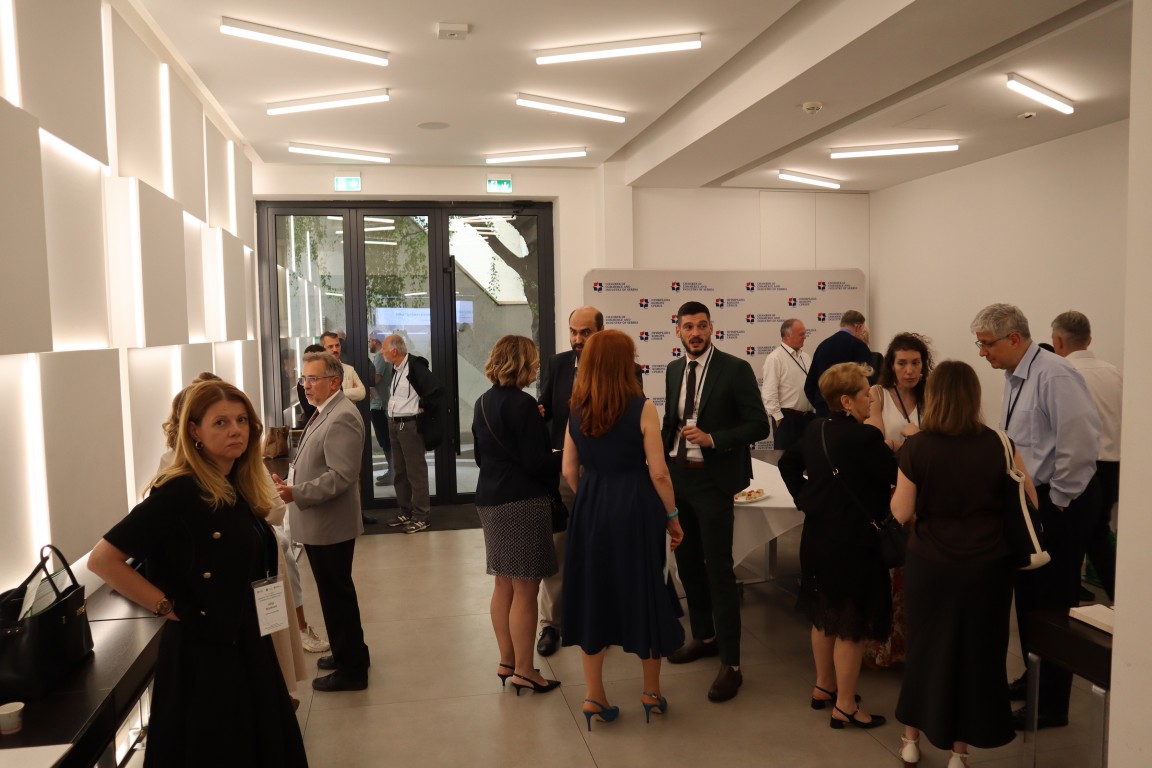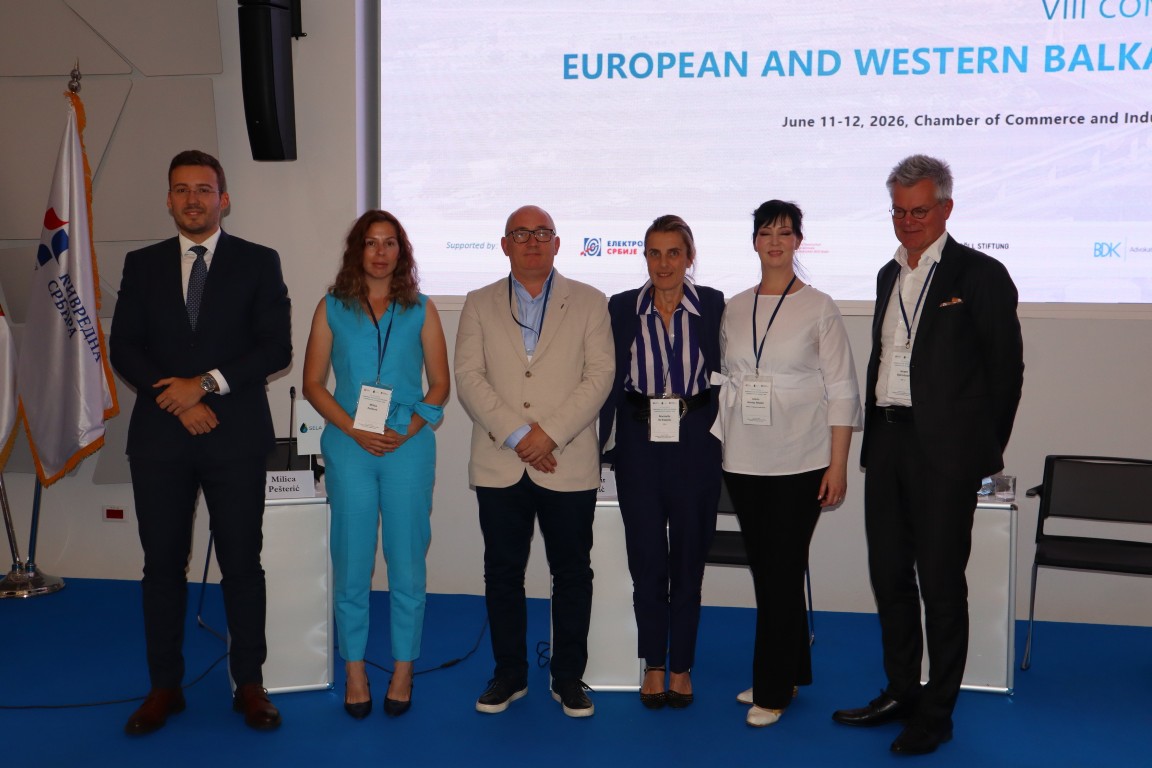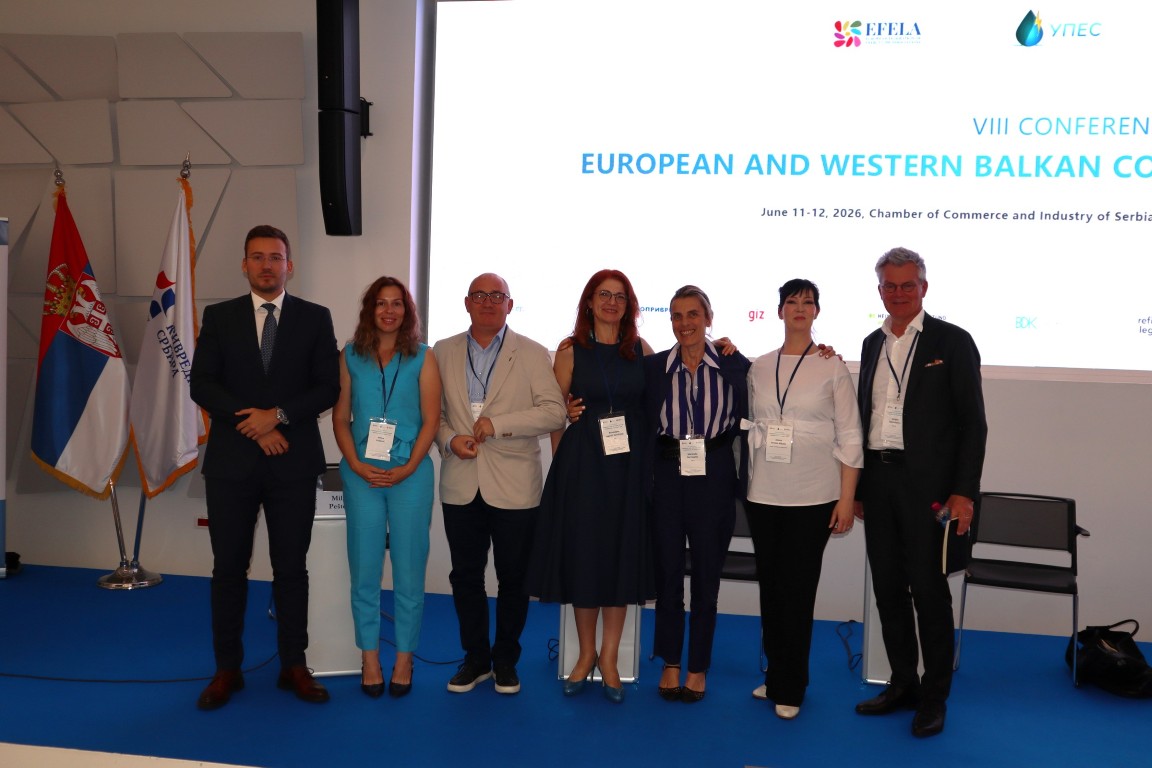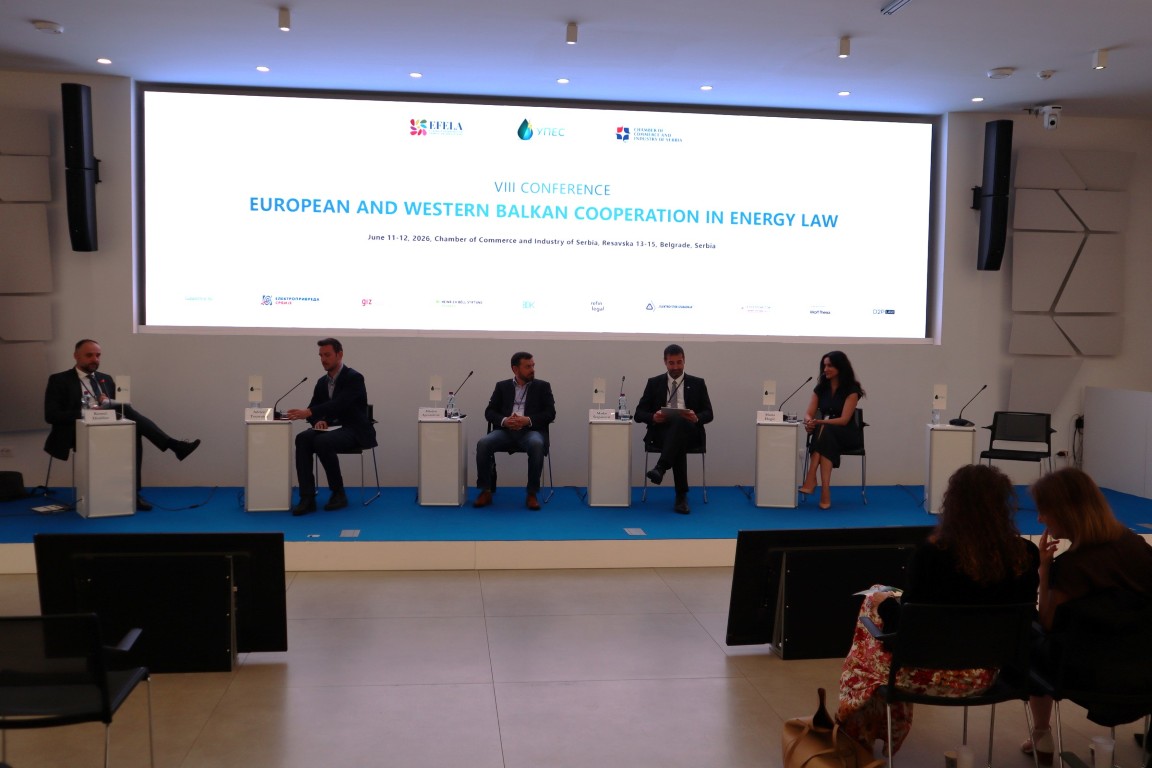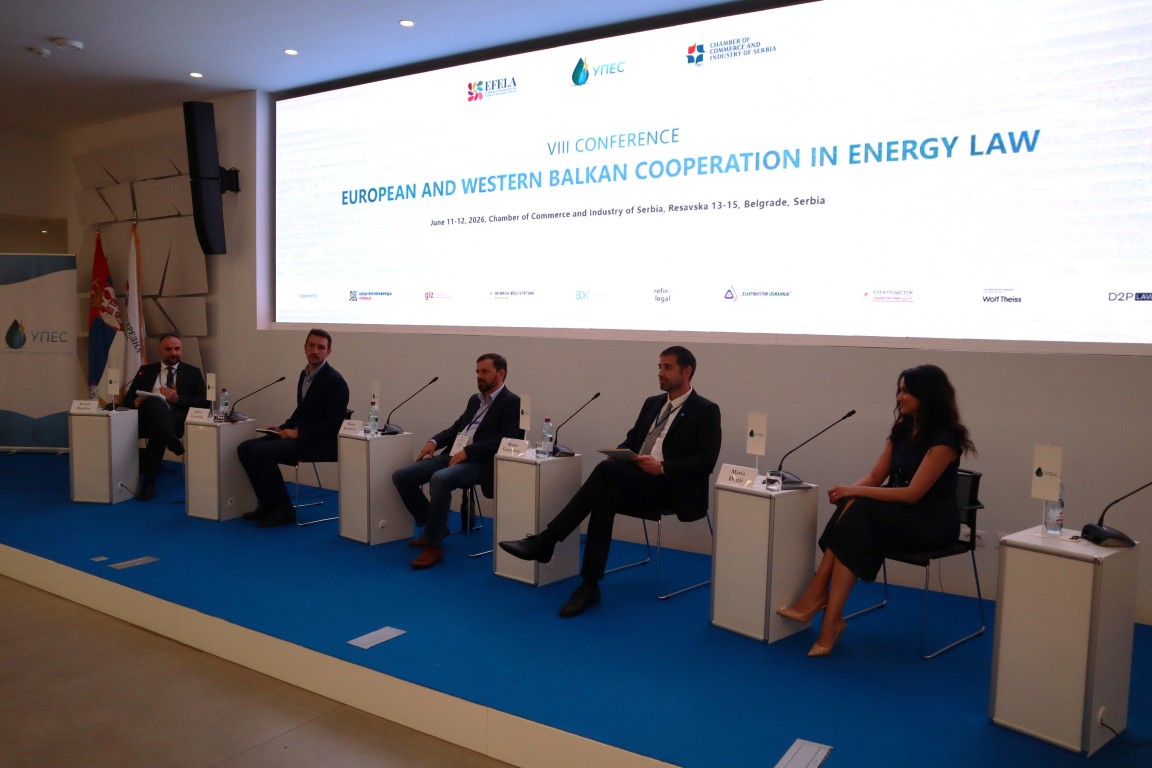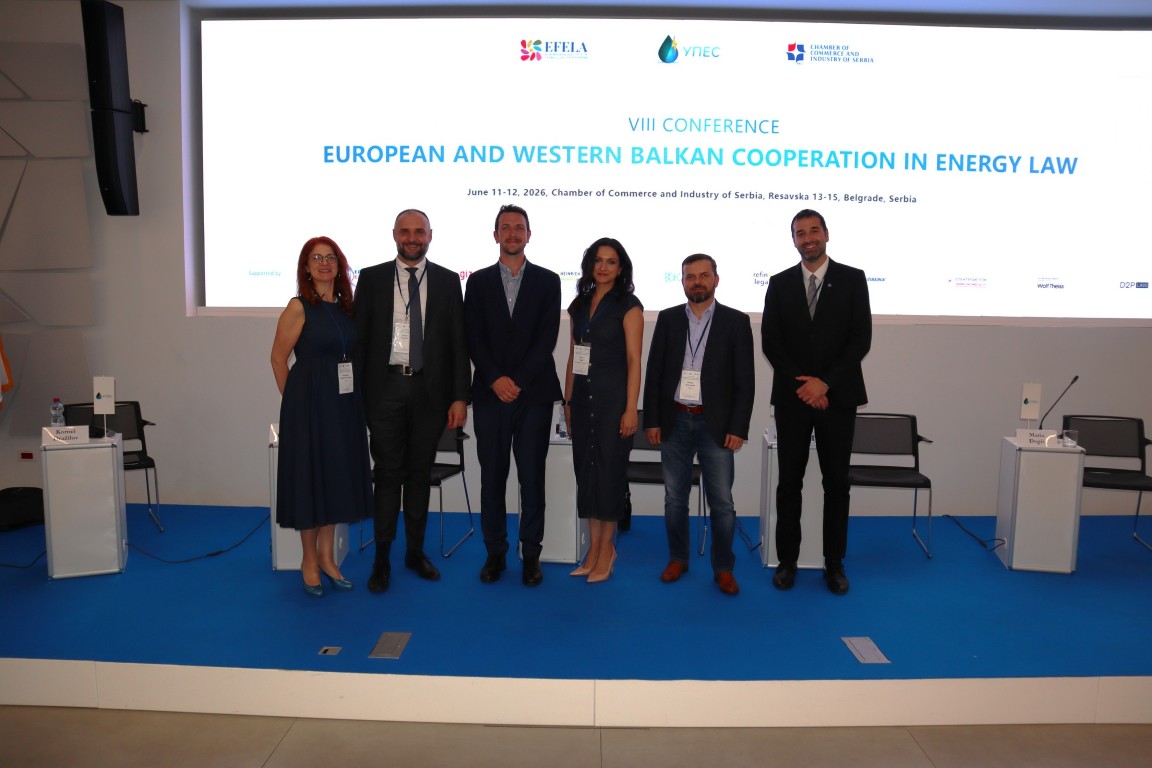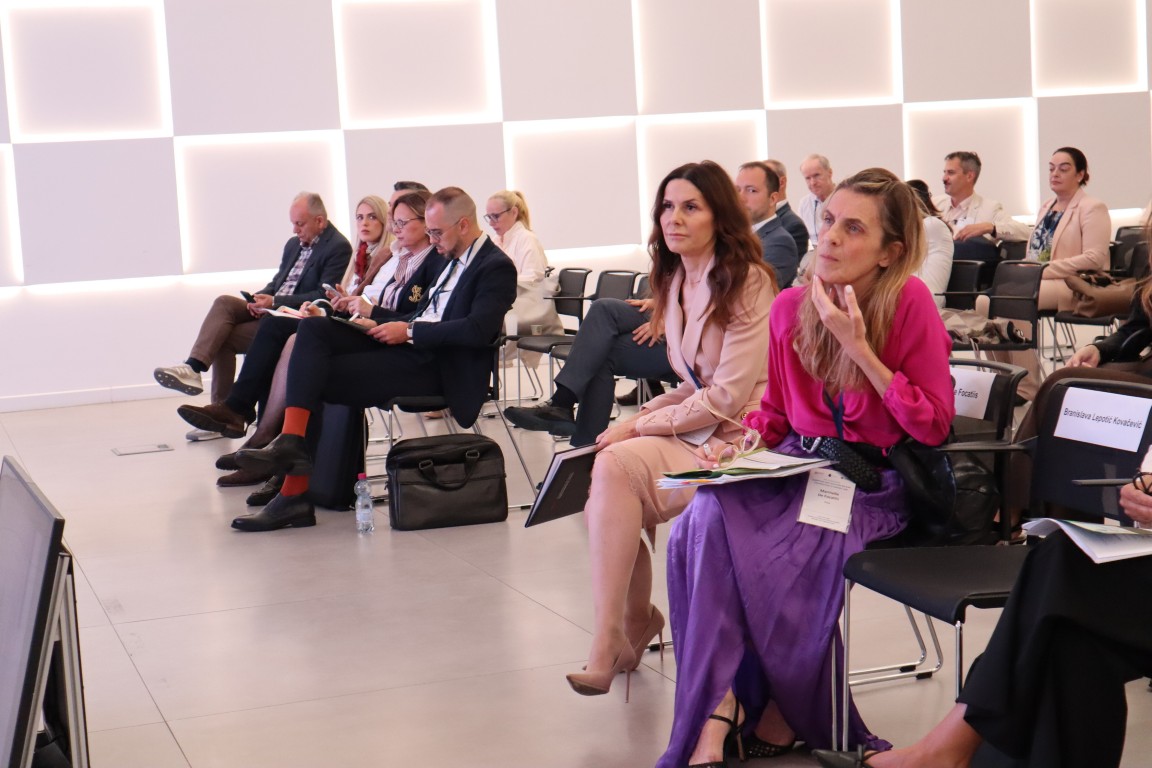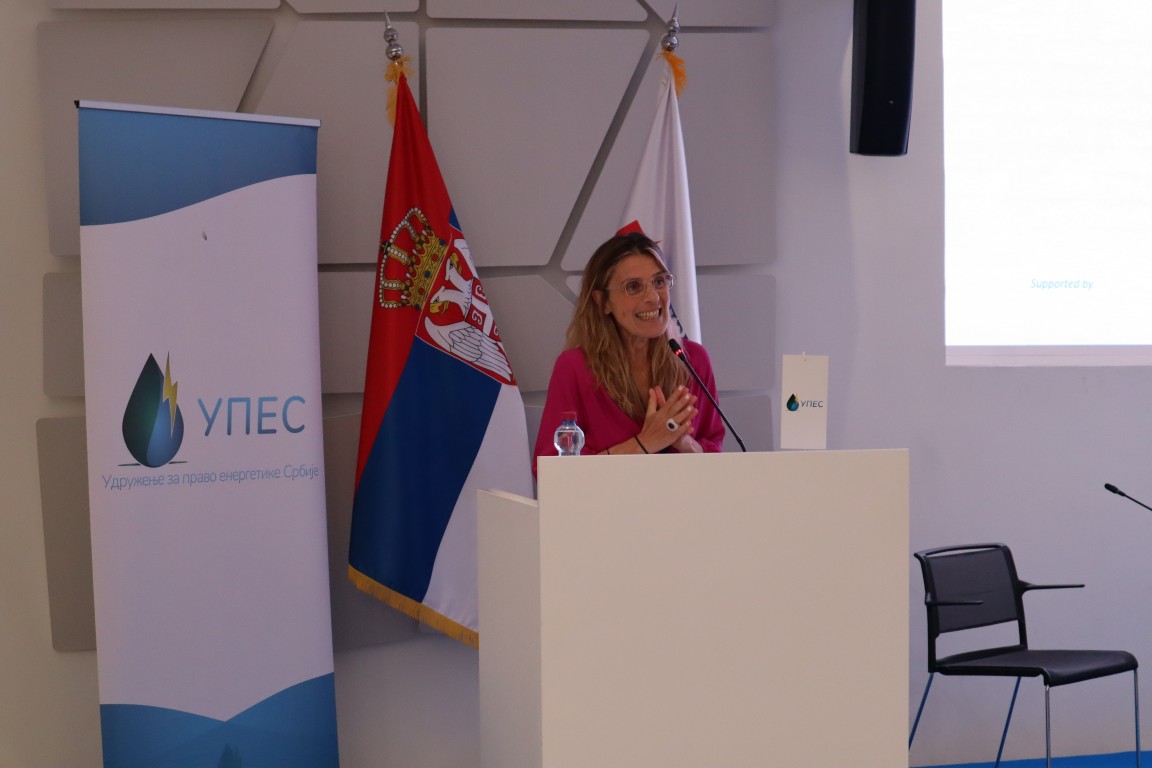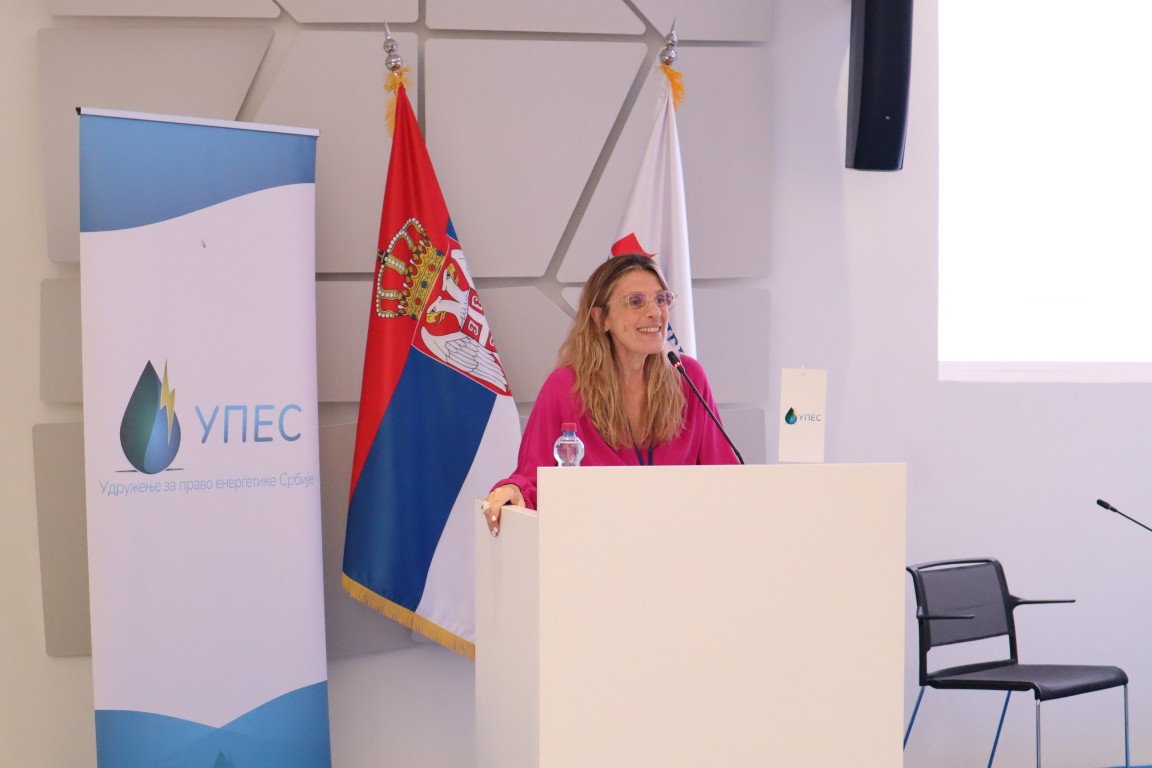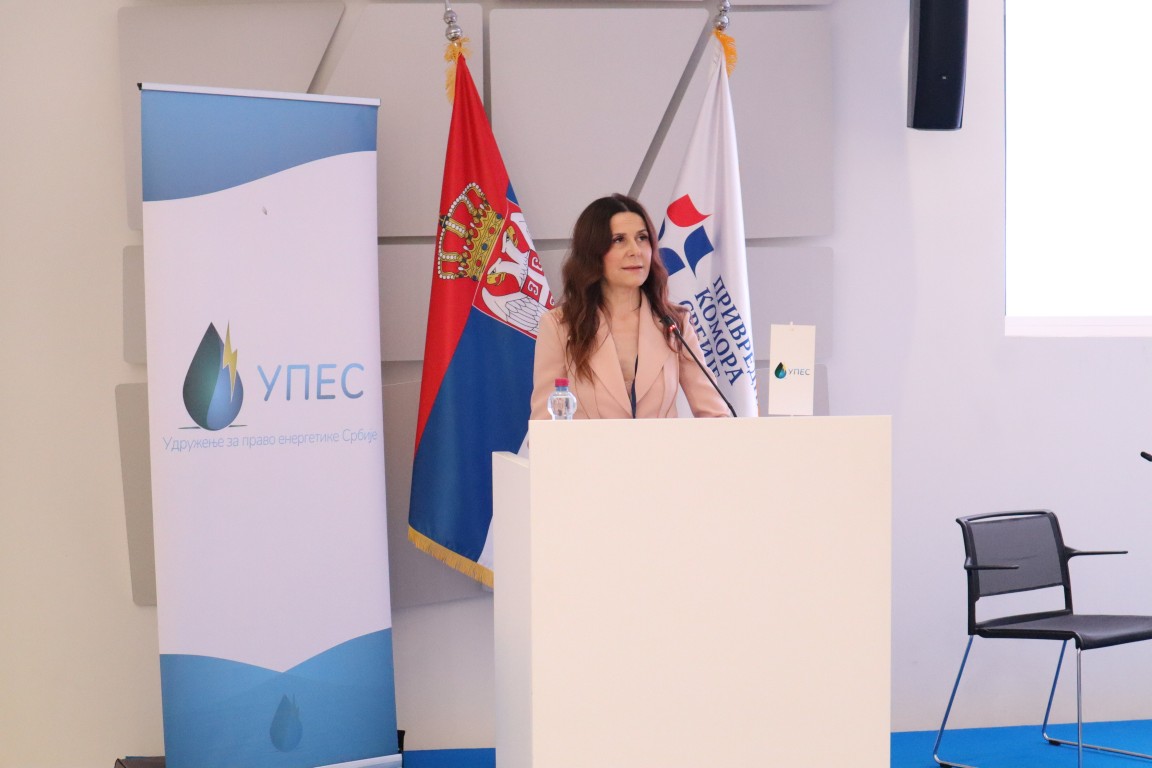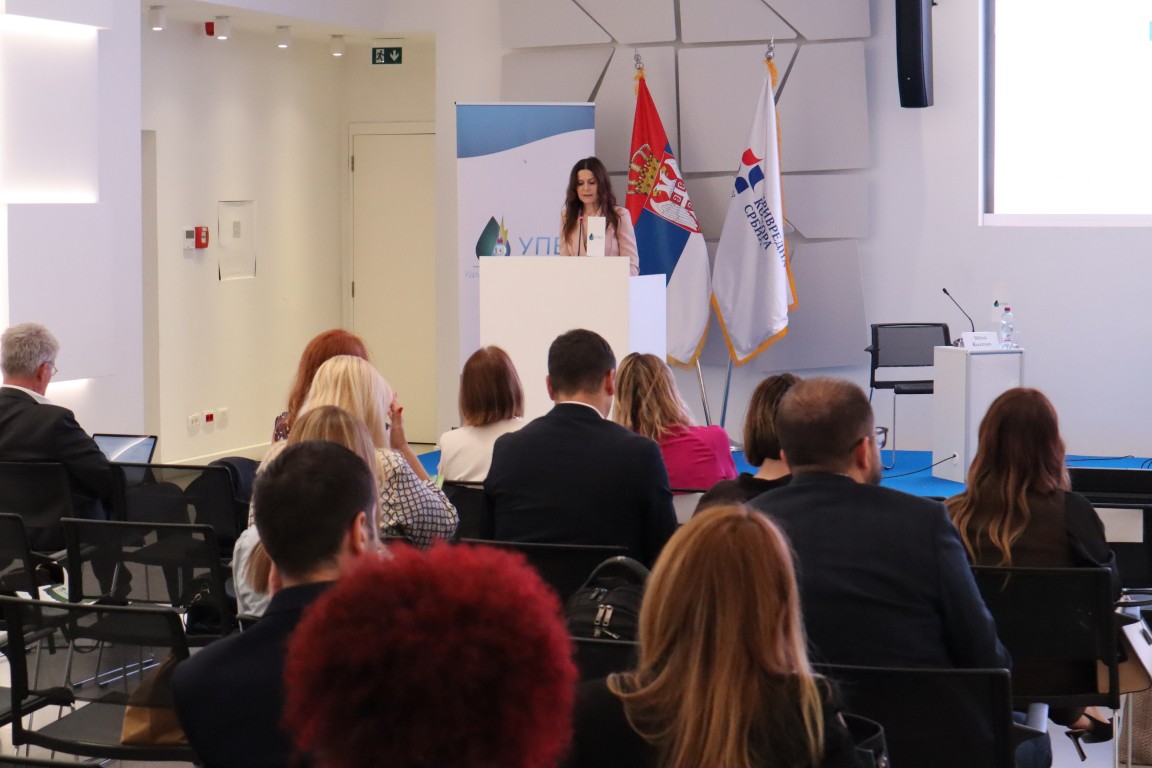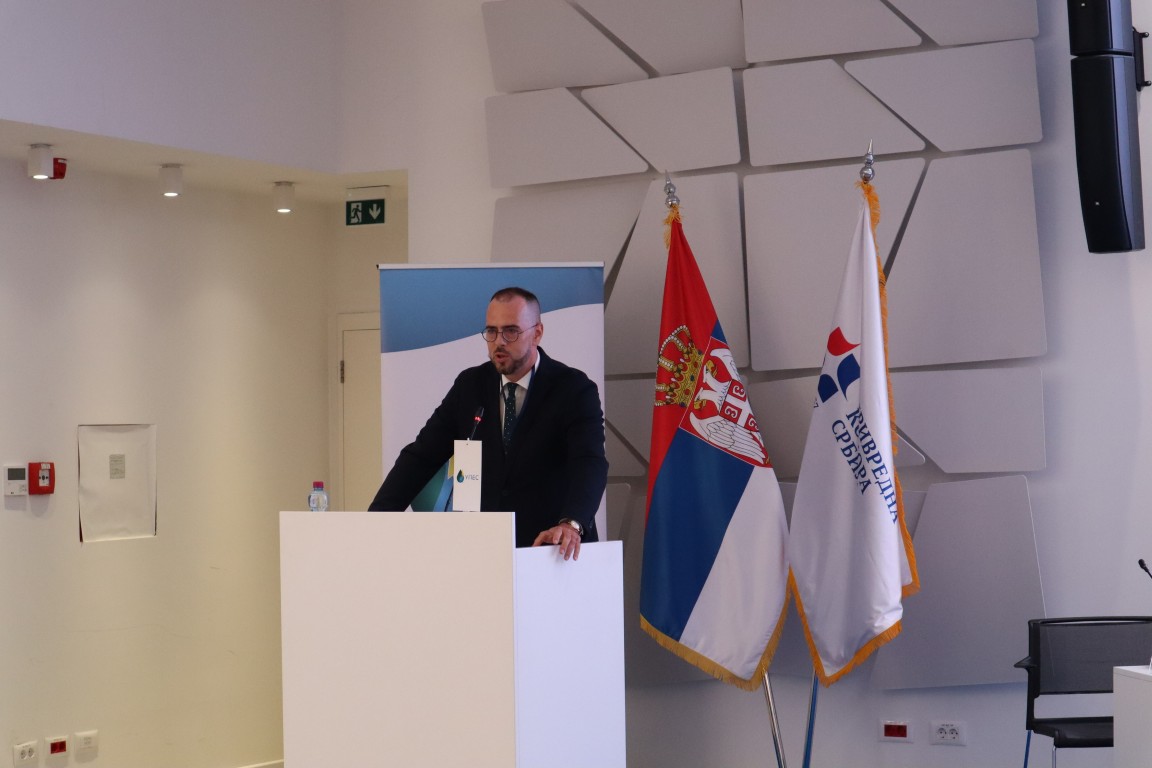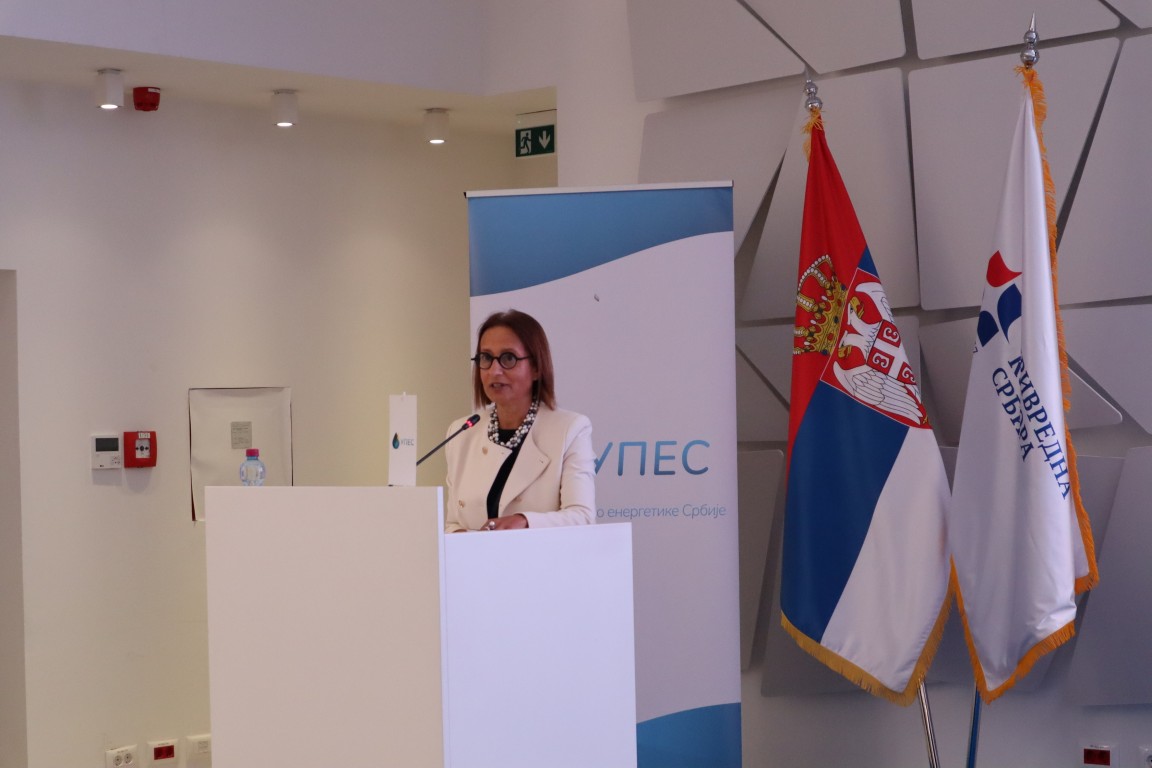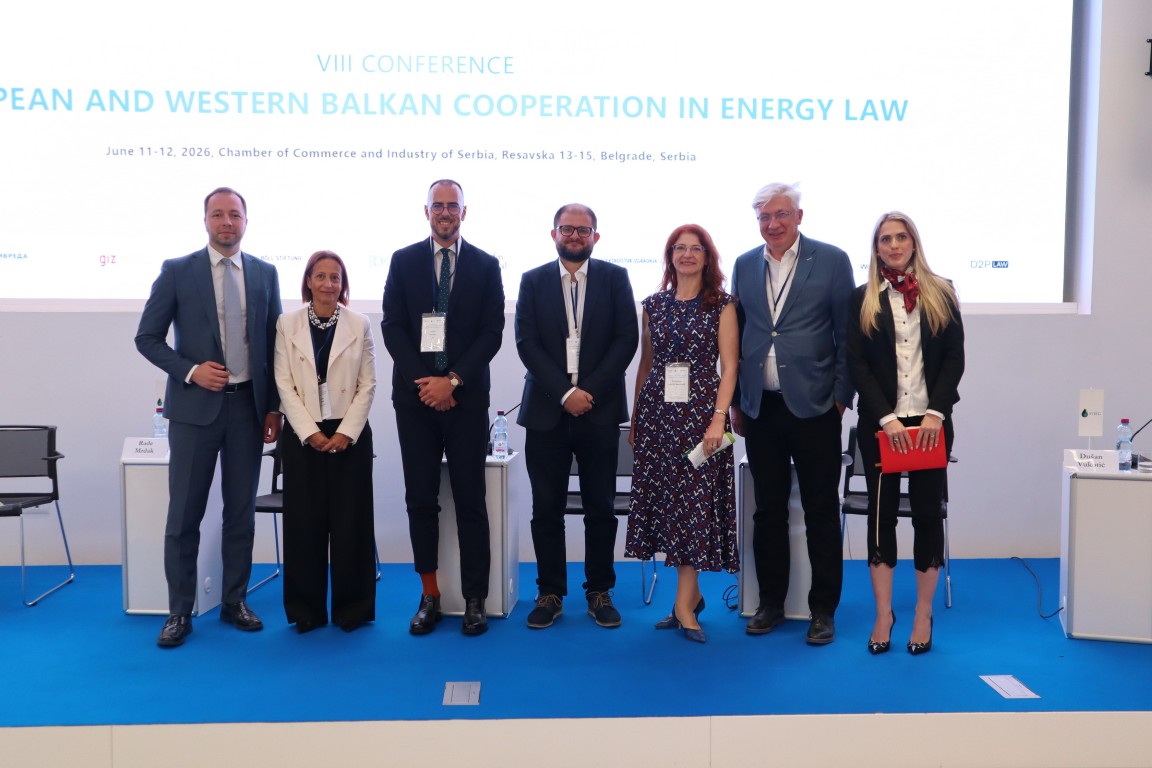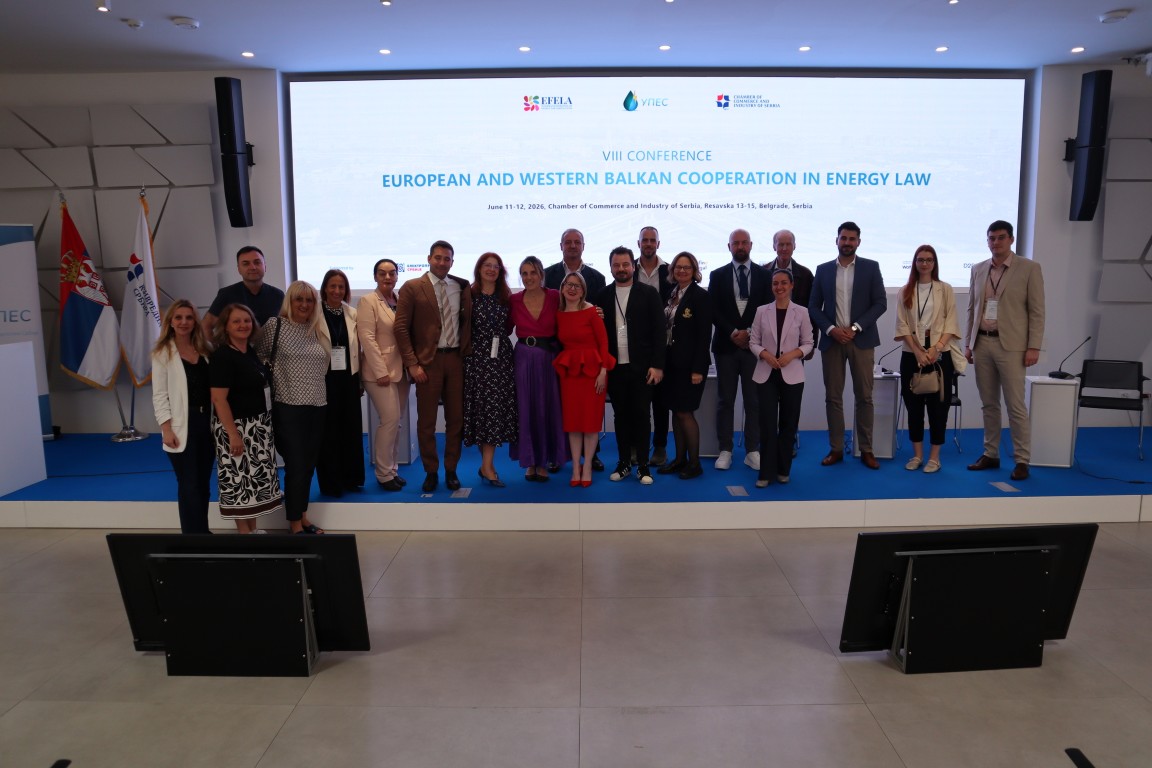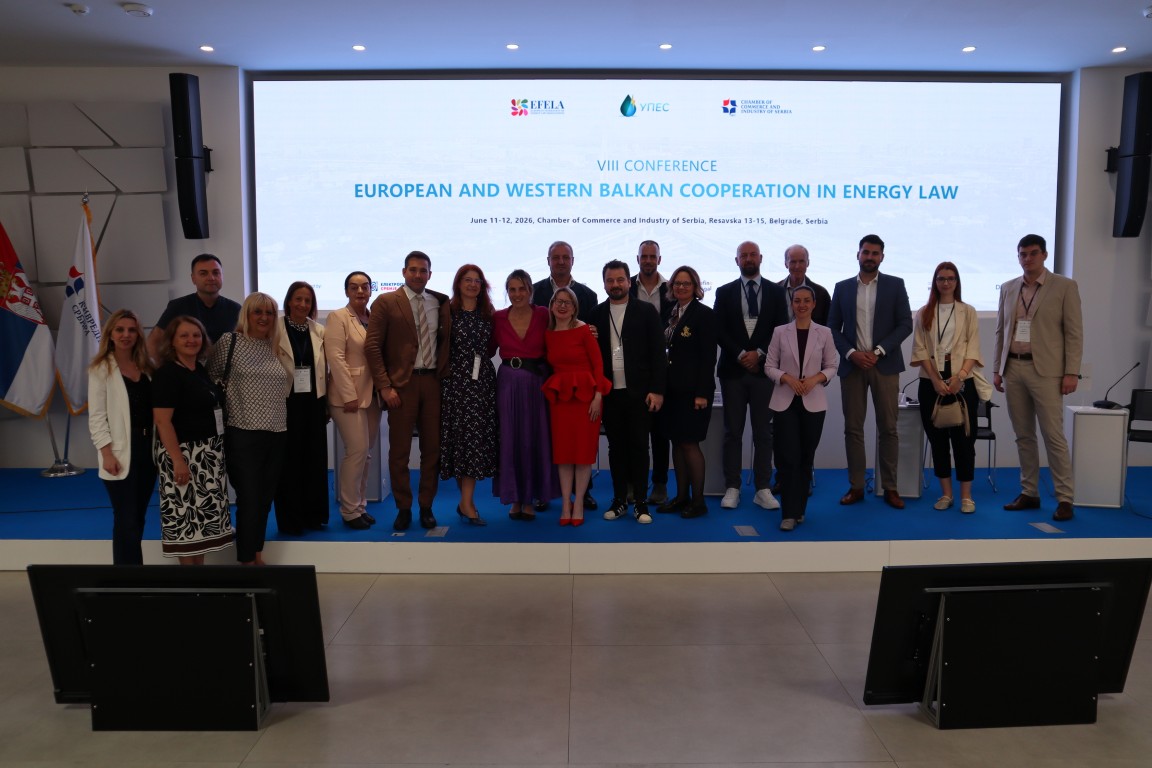

The 8th International Conference: European and the Western Balkan Cooperation in Energy Law was held on 11 and 12 June 2026 in Belgrade at the premises of the Serbian Chamber of Commerce, Resavska 13-15, organized by the Serbian Energy Law Association (UPES), the European Federation of Energy Law Associations (EFELA) and the Chamber of Commerce and Industry of Serbia (CCIS).
Guests from Belgium, Bosnia and Herzegovina, Great Britain, Greece, Hungary, Ireland, Italy, Norway, Portugal, Spain, also spoke at the conference. Conference was attended by 100 participants from 13 countries.
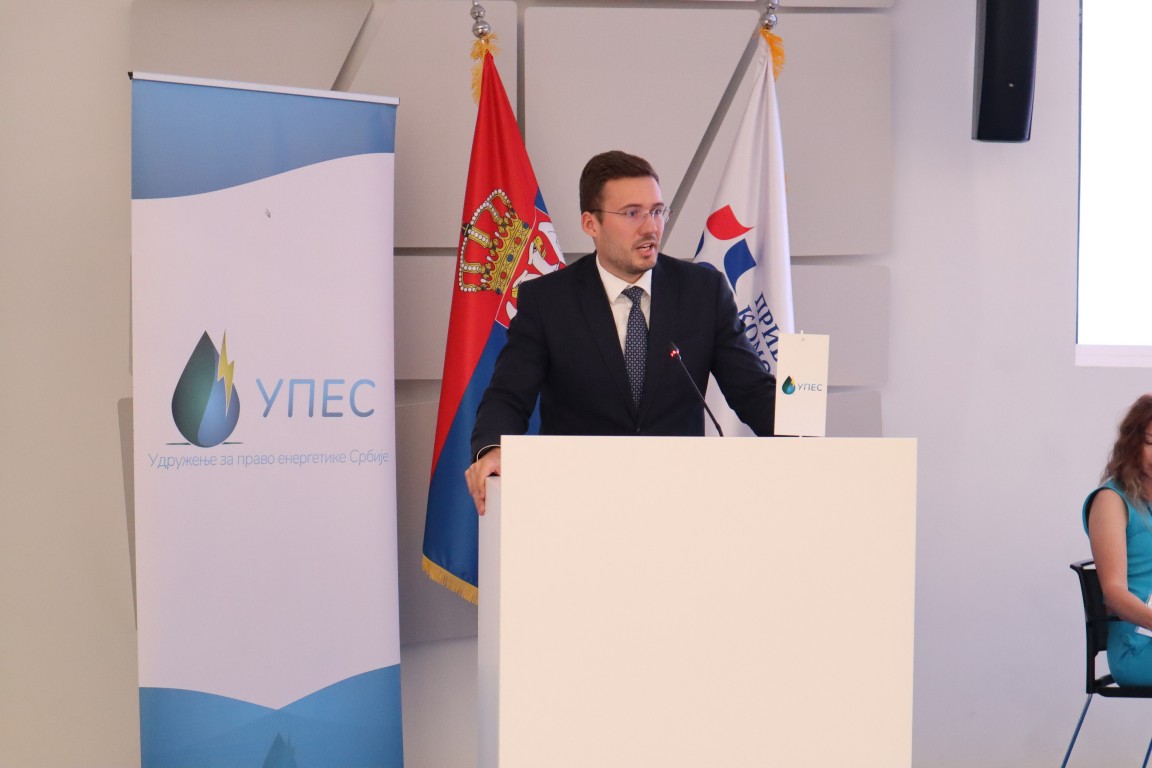
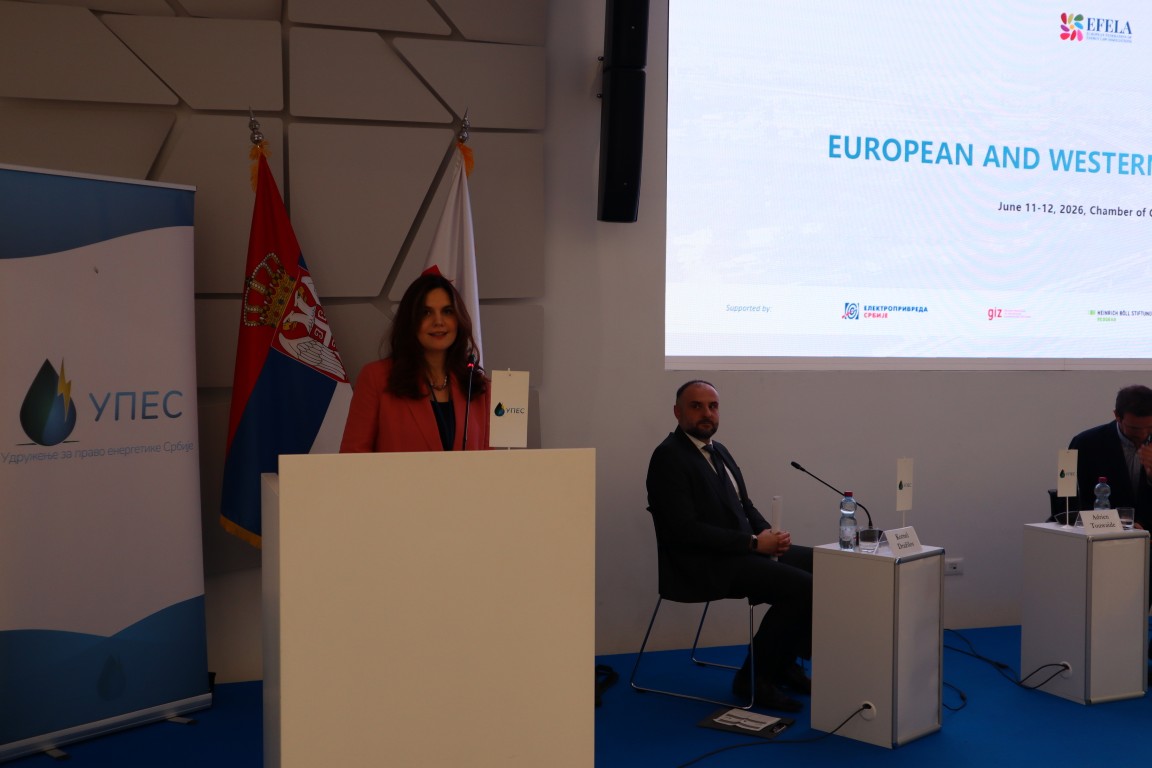
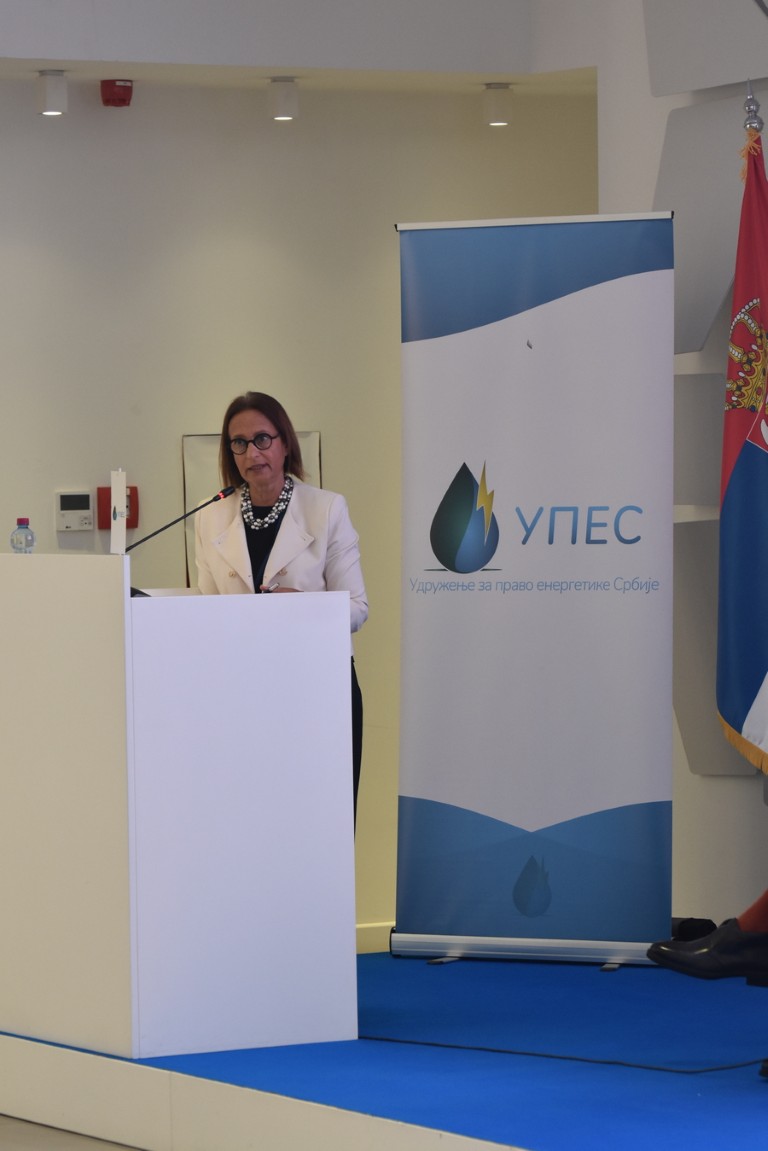
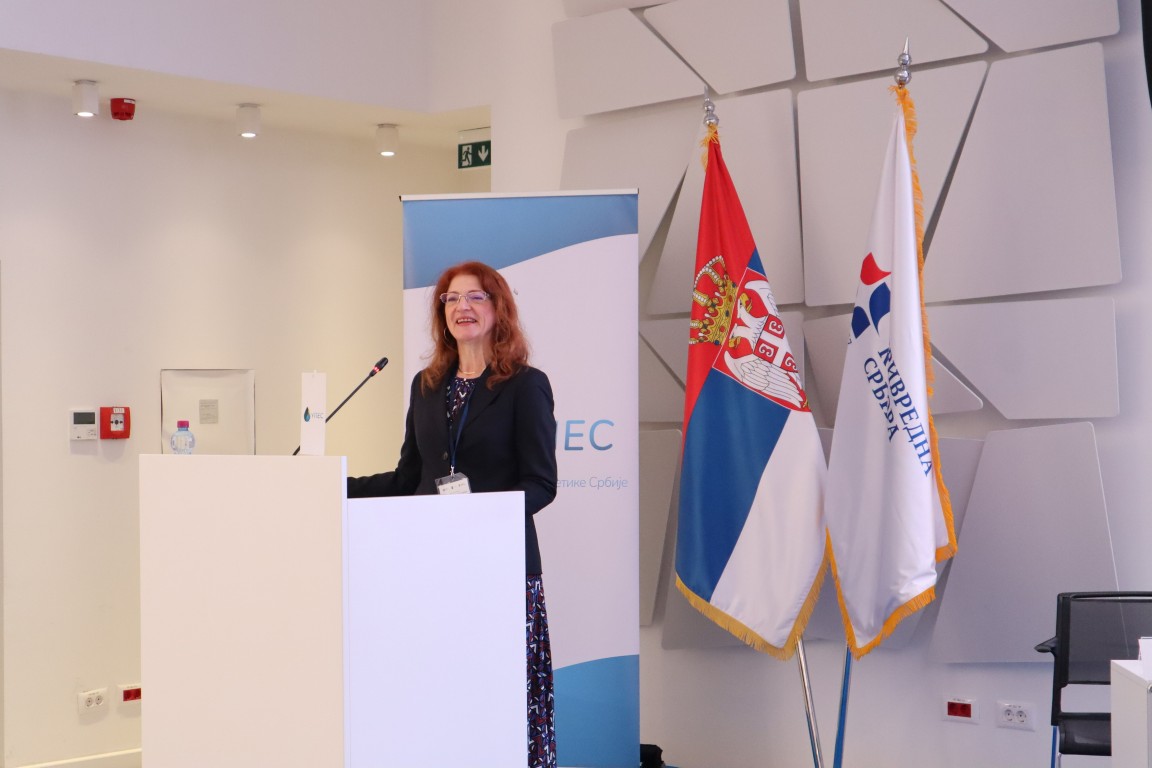
The conference was welcomed on the First day by: Maja Vukadinović, Assistant Minister of Energy and Mining of Republic of Serbia; Arslan Umut Ergezer, Deputy Secretary General of Regional Cooperation Council; Vicente López-Ibor Mayor, President of EFELA and AEDEN, Spain; Mihailo Vesović, Vice-President of Chamber of Commerce and Industry of Serbia; Marko Šćepanović, Company Secretary of Elektroprivreda Srbije jsc i Branislava Lepotić Kovačević, President of UPES, Moderator of the Conference.
On its the Second day, the conference was welcomed by: Marinella De Focatiis, Secretary-General of EFELA and AIDEN, Italy. Senior Counsel Legal Academy, Edison S.p.A. and Jelena Matejić, General Director, “Elektromreža Srbije” jsc.
During welcome addresses is mentioned that energy law is necessary, recognised legal area and that is like electricity grid key to the network for connecting between lawyers, engineers, economists, and other professionals who together create new reality of the energy market.
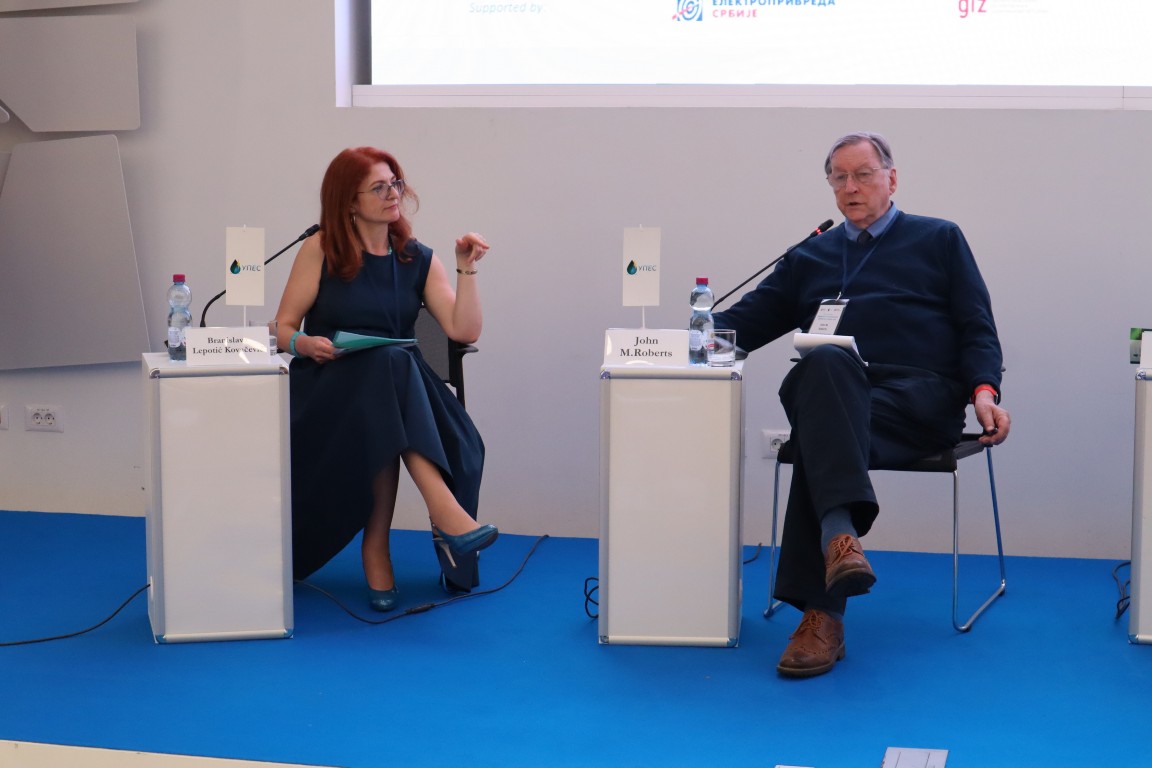
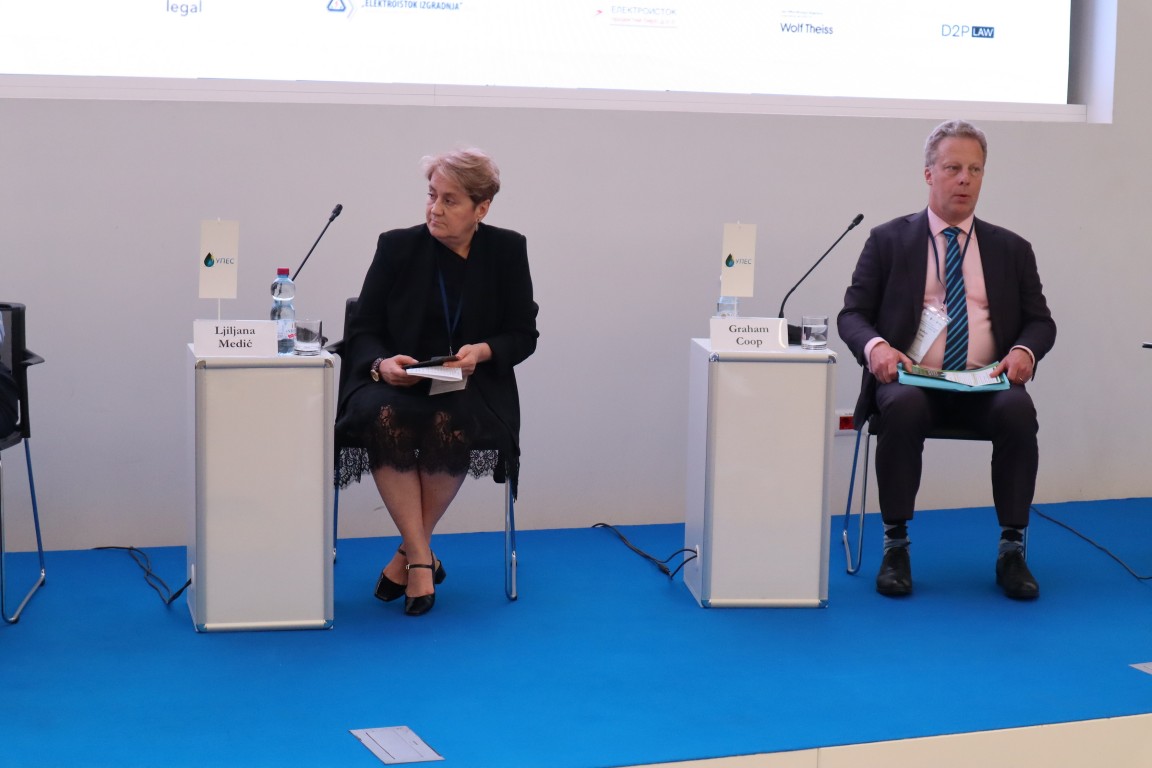
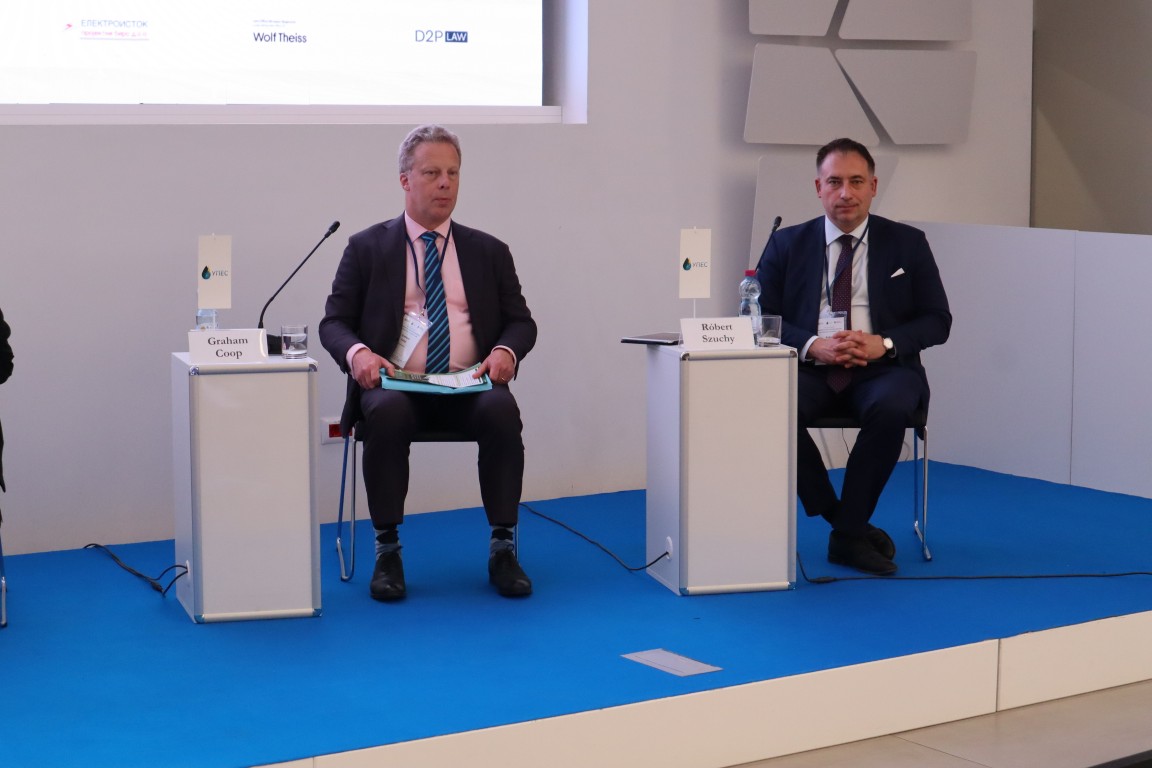
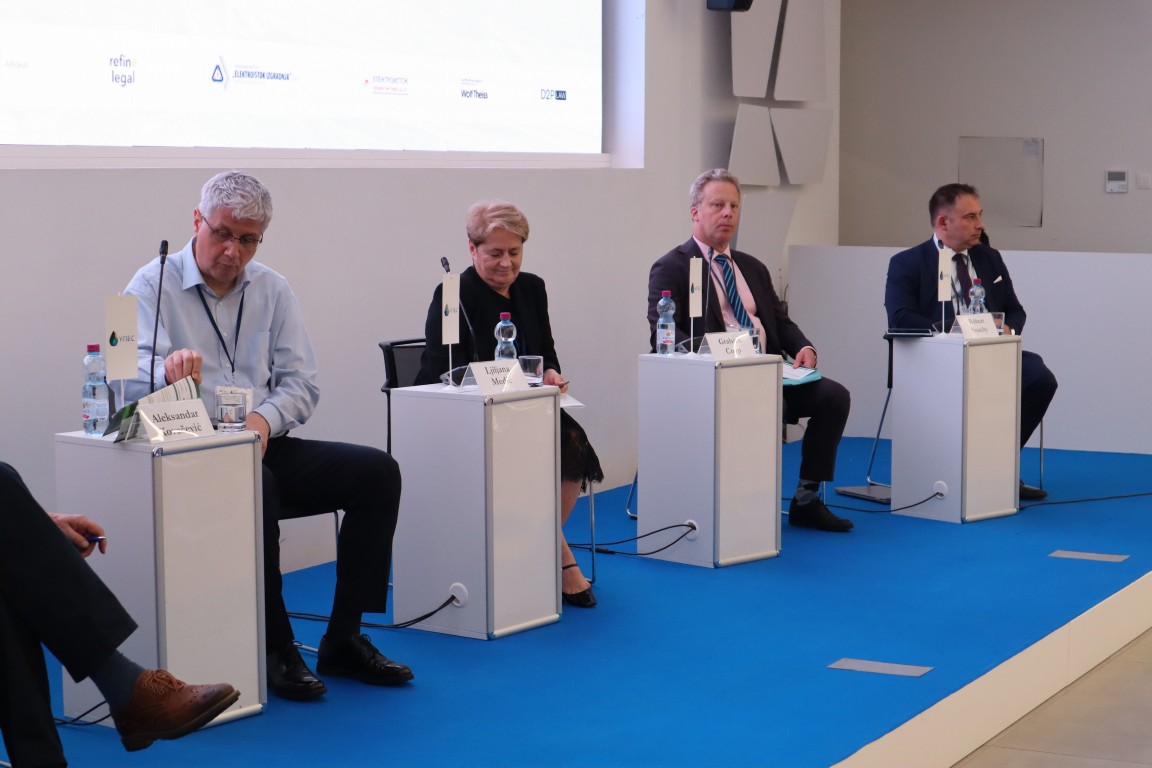
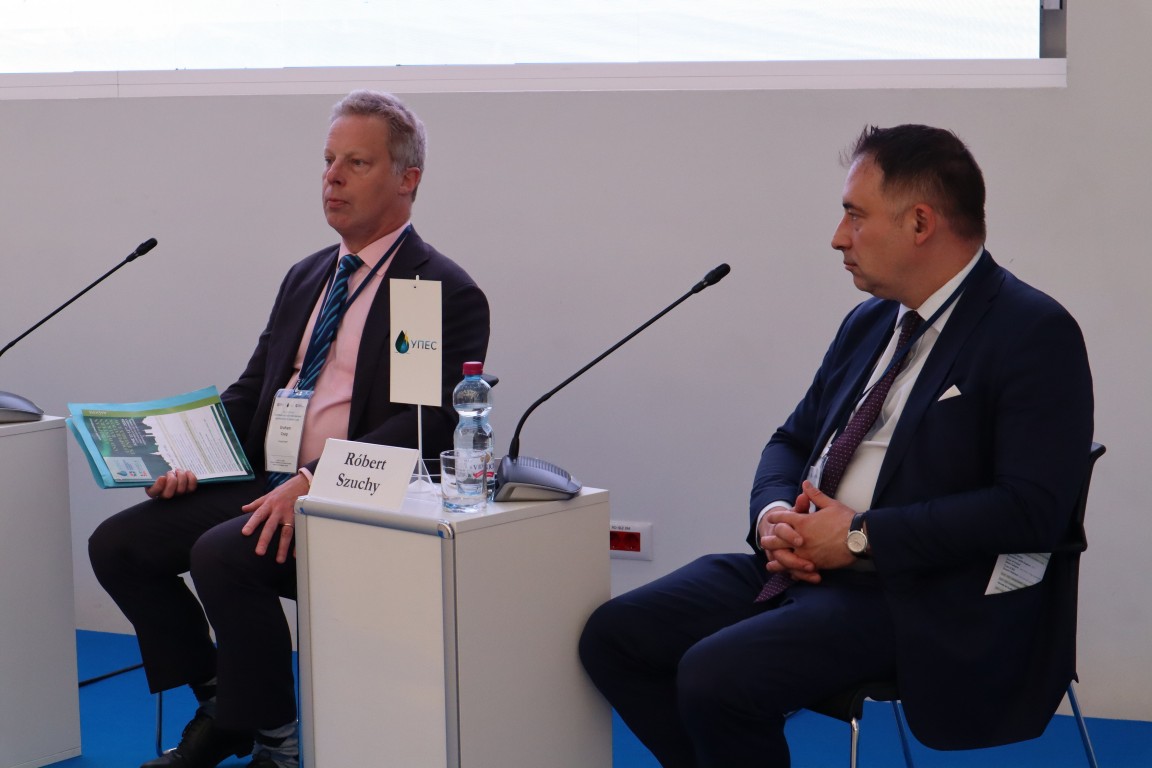
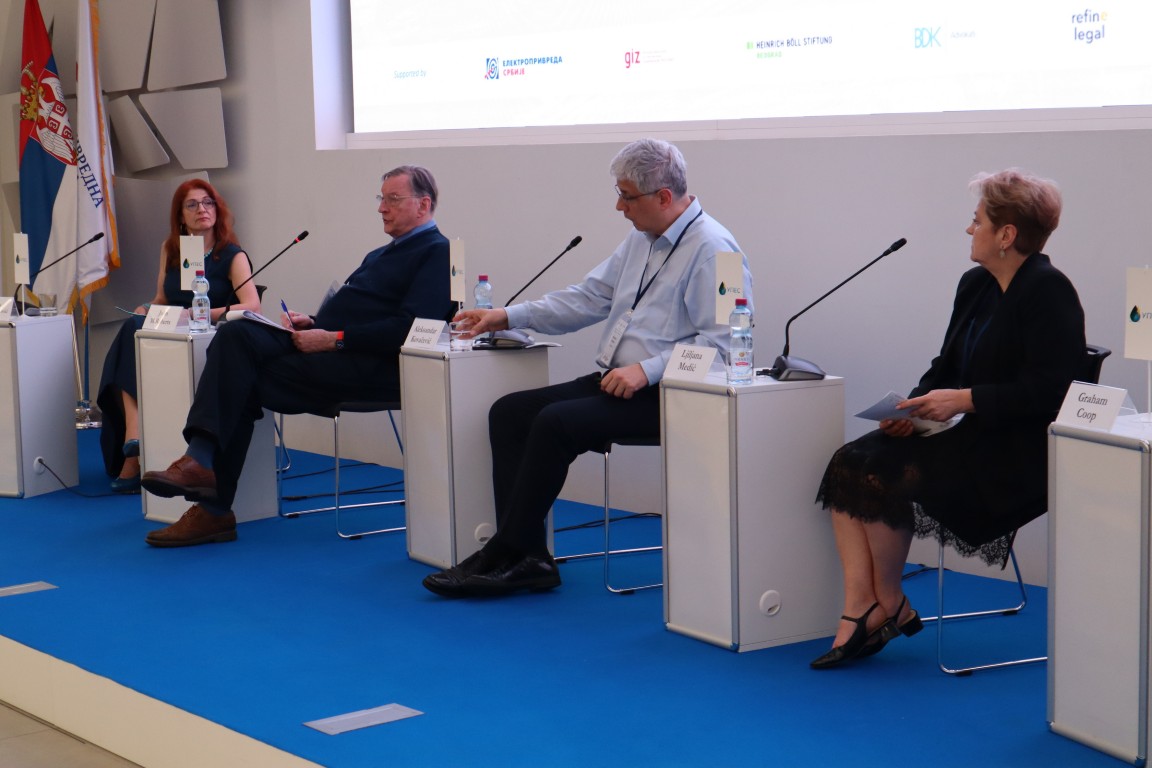
I session: ENERGY LAW AS AN INSTRUMENT TO MODULATE ENERGY MIX AND SECURITY OF SUPPLY was moderated by Branislava Lepotić Kovačević. Keynote speech had John M. Roberts, Non-resident senior fellow at Atlantic Council’s Global Energy Center. He spoke about security of supply and mentioned that there is no formula for regulation of security of supply. Both principles of the energy law and regulation are needed. After him Aleksandar Kovačević, Energy economist, Serbia, spoke about Geopolitics, risks and economics: Energy Law in the new reality. Ljiljana Medić, Professor, Polytechnics University Madrid, Spain spoke about new energy sources as hydrogen and renewables perspective. Graham Coop, International lawyer, London and Brussels, explained Regulatory framework for investments in the Energy Sector (state, private, PPP) and also influenced of CBAM. Róbert Szuchy, Professor of Energy Law, Vice-Rector for Education, Károli Gáspár University, Hungary, presented AI in Energy Market: the challenge for Energy Law. He mentioned that human brain cannot be replaced by AI. After all presentations, Siniša Čolević from Stanivuković Law Office provided lessons learned to the audience.
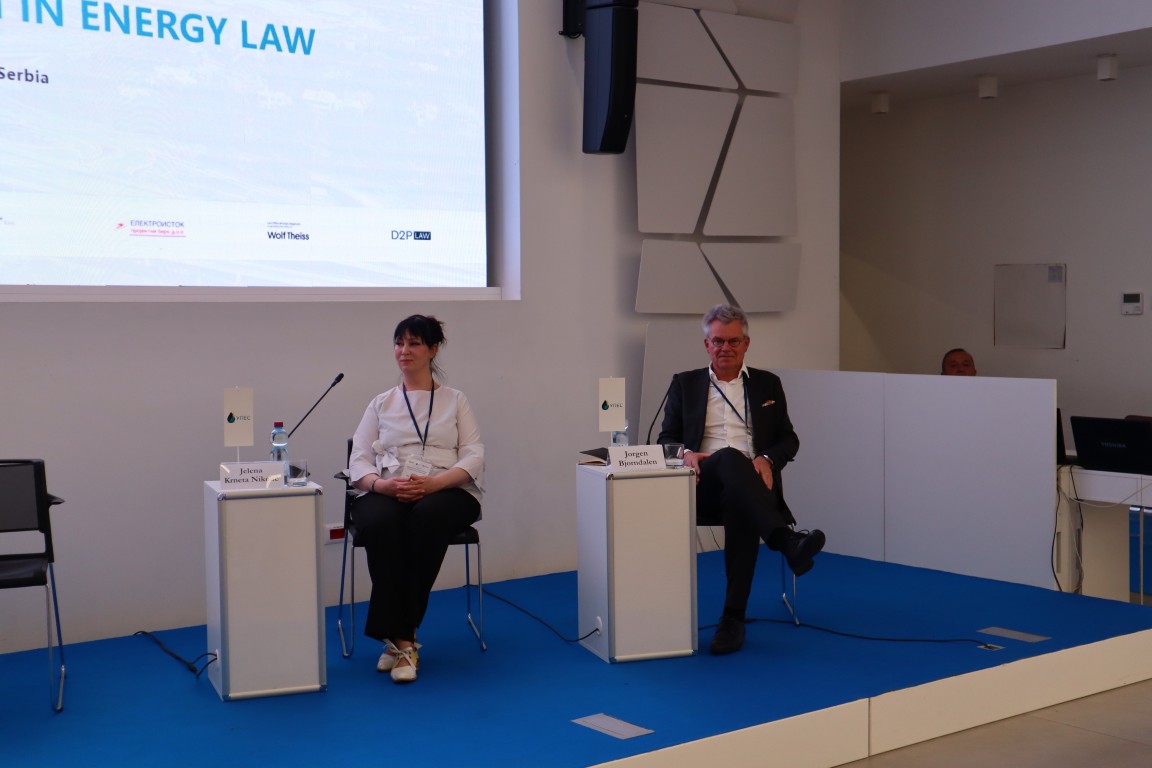
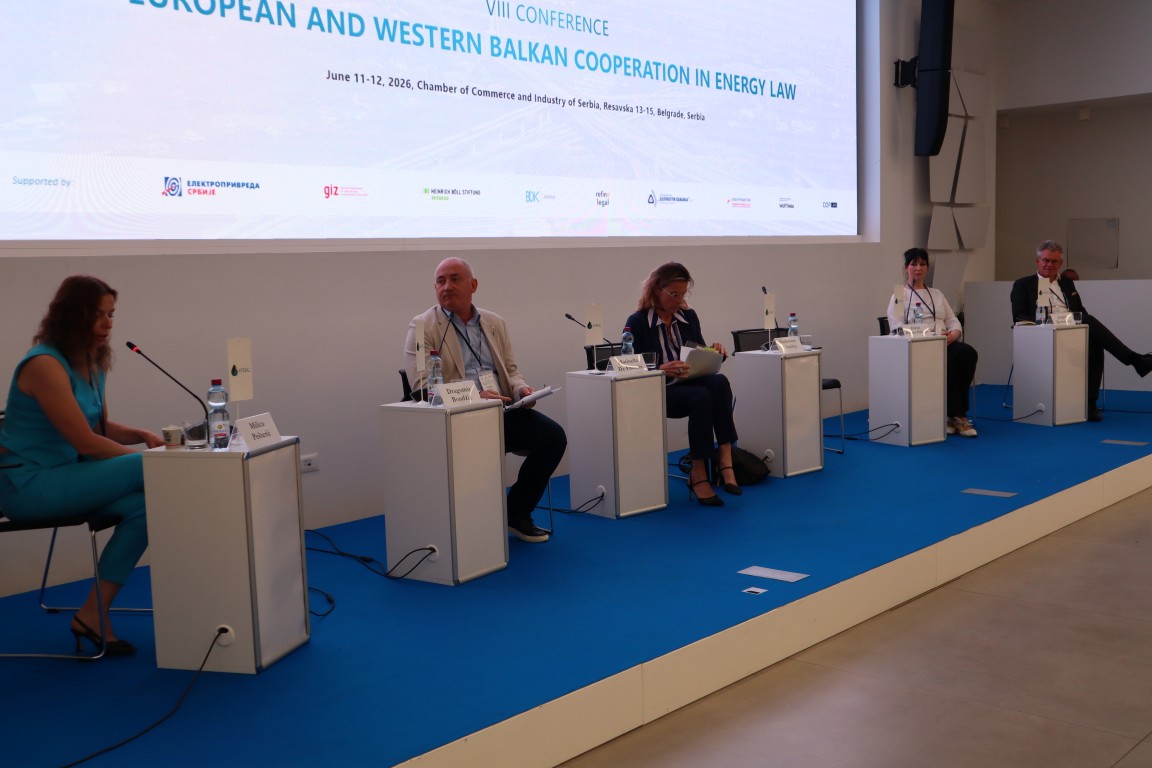
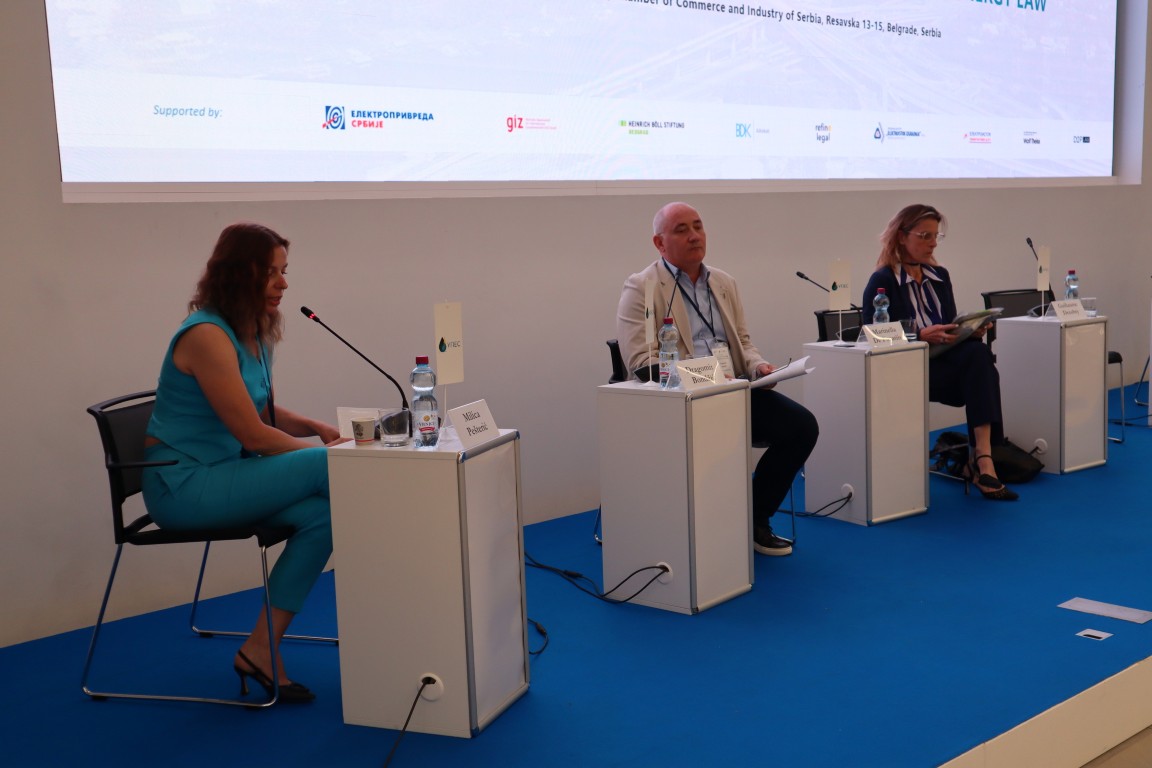
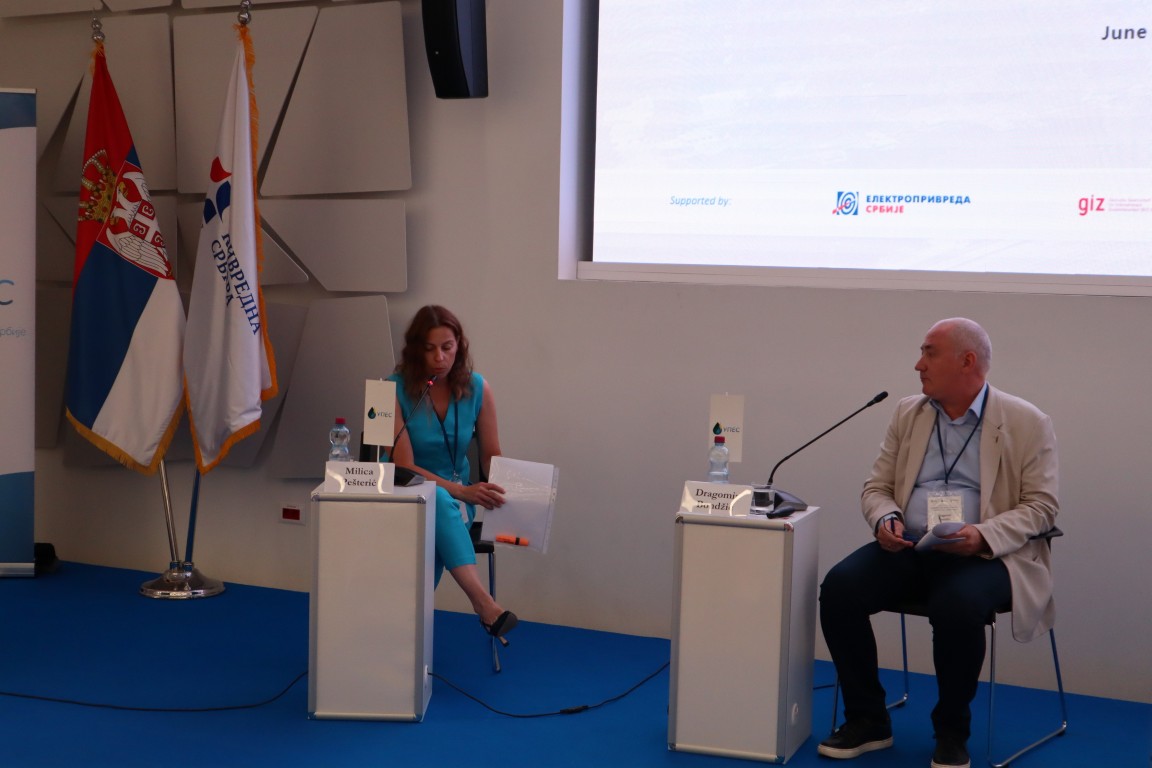
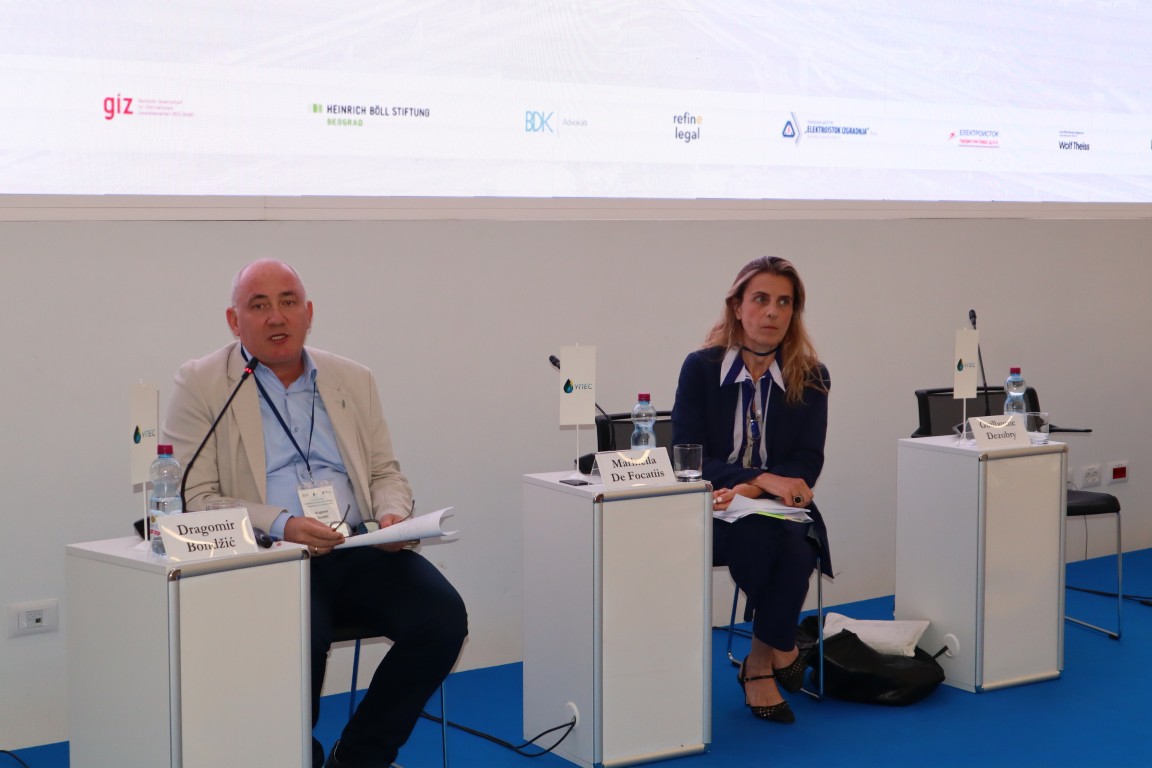
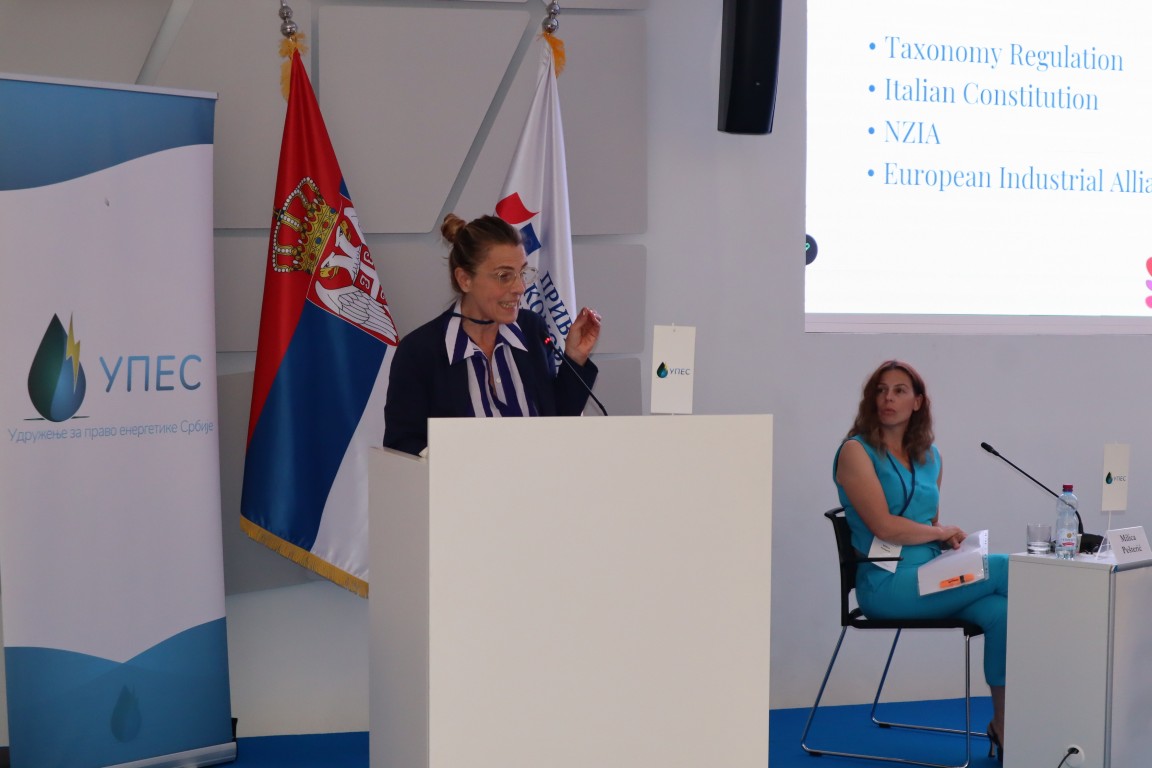
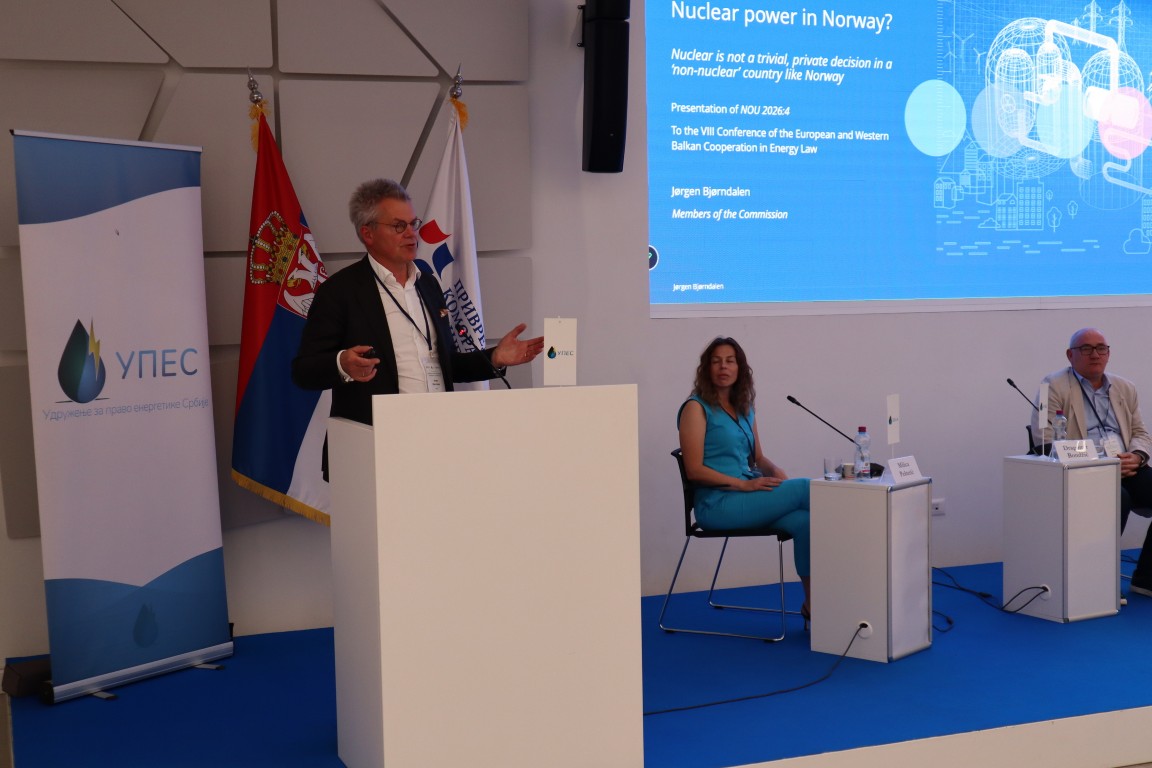
II session: GREENING BY NUCLEAR was moderated by Milica Pešterić, Partner, D2p Law Office, Cheef of the Department for Energy, Mineral Resources and Sustainability. Panellists explained different aspects regarding nuclear such as history, aspects of different counties and security aspects. Dragomir Bondžić, Institute for Contemporary History, Serbia remind audience on Historical review of Nuclear Energy in Serbia. Marinella De Focatiis, Secretary-General of EFELA and AIDEN, Italy, Senior Counsel Legal Academy, Edison S.p.A. spoke about the Italian design for a Nuclear Regulatory framework: from 1960 up to now. She mentioned that the law is the condition for trust. Jelena Krneta Nikolić, Principal Research Fellow, Radiation and Environment Protection Department, Institute of Nuclear Sciences in Vinča, Serbia spoke about Vision of Nuclear Energy Use in Serbia from prospective of the Institute of Nuclear Sciences Vinča and Capabilities and Experience. Jorgen Bjorndalen, DNV spoke about Analyses of the Nuclear Energy Application in Norway and continuing discussions before final decision. After all presentations, Vukašin Stanković from Refine Legal Law Office provided lessons learned to the audience.
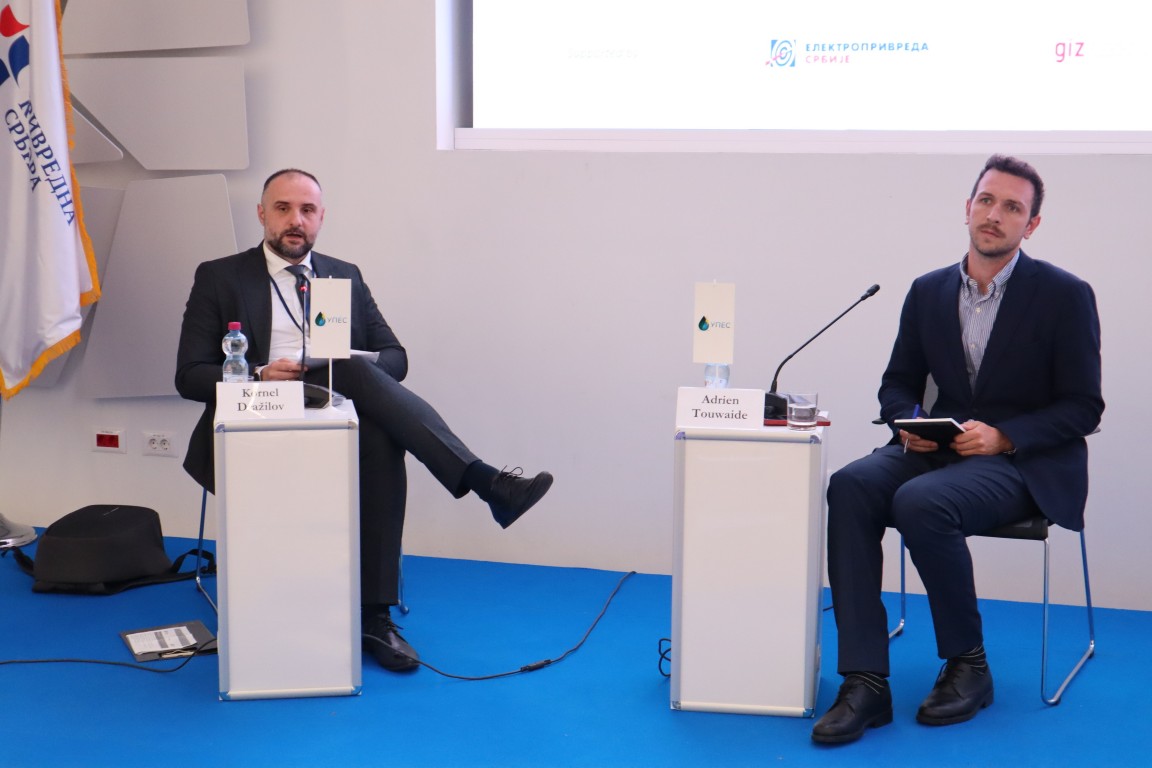
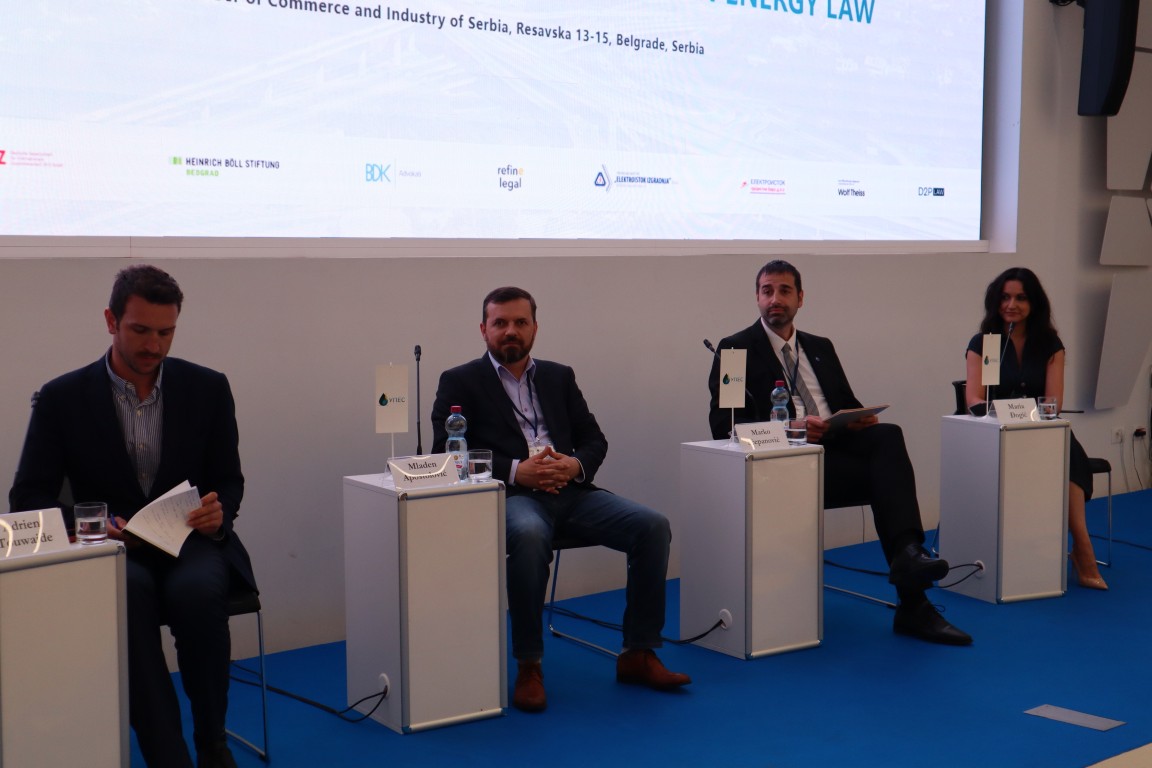
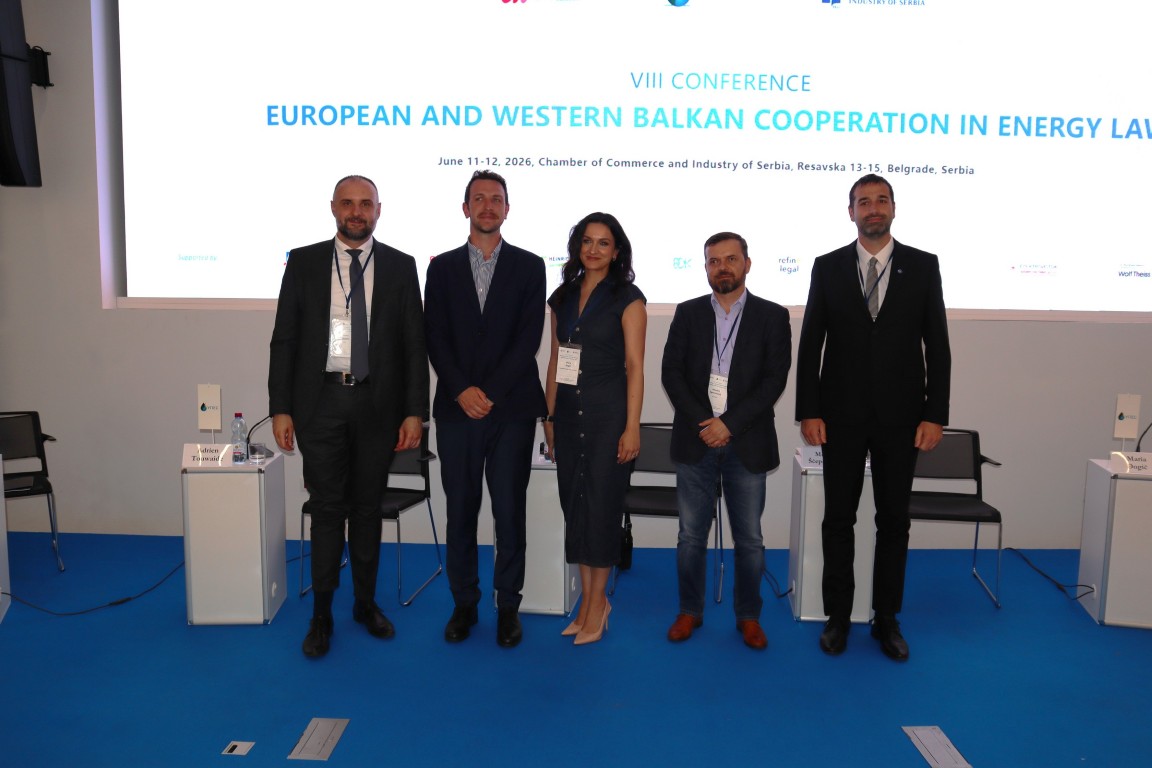
Round table: IS THE CBAM AN EFFECTIVE TOOL FOR CARBON PRICING IN THE WESTERN BALKANS? was moderated by Kornel Dražilov, Energy consultant, Serbia. Penalists discussed different aspects connected to the consequences of CBAM. Adrien Touwaide, Analyst, Elia Grid International SA/NV, Belgium explained aspects to market coupling and influences of CBAM to market coupling between electricity markets. Mladen Apostolović, Senior Portfolio/Renewables Manager, EFT TRADE spoke about electricity prices and spreads from January 2026. Official data from SEEPEX showed that electricity prices came in discrepances after January 2026. Marko Šćepanović, Secretary of Elektroprivreda Srbije jsc spoke about effects to Elektroprivreda Srbije, and problems to finance decarbonisation of Elektroprivreda Srbije with influence of CBAM. Maria Đogić, Company Directorate, Head of Economic Affairs, Office of the General Manager, PU “Elektroprivreda Hrvatske Zajednice Herceg Bosne” JSCo Mostar, explained effects for RES electricity producer and non-recognition of res producer in cross-border electricity trading. At the end of panellists’ discussion about the main question “Is the CBAM an effective tool for carbon pricing in the Western Balkans?” moderator concluded with remark that now, that CBAM is in effect, what could be done to restore the integrity of the market and power system? After the round table, Tamara Zejak from Law office Petrikić&Partners AOD in cooperation with CMS RRH, provided lessons learned to the audience.
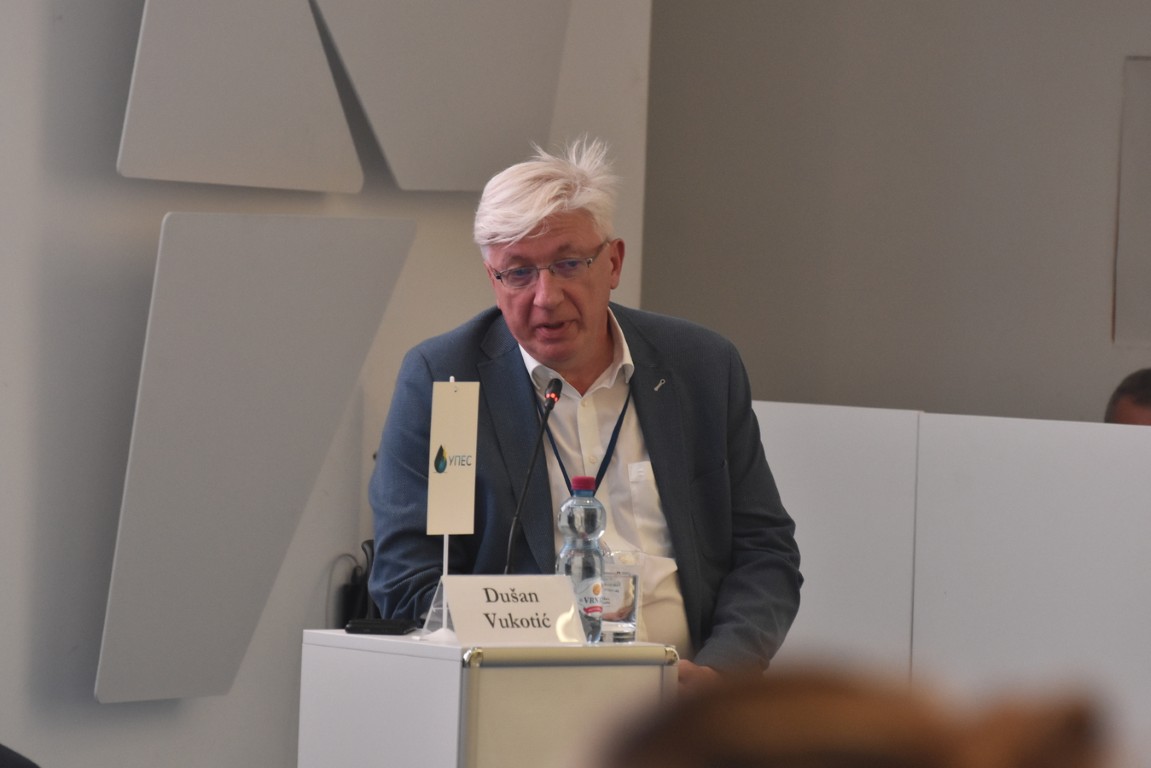
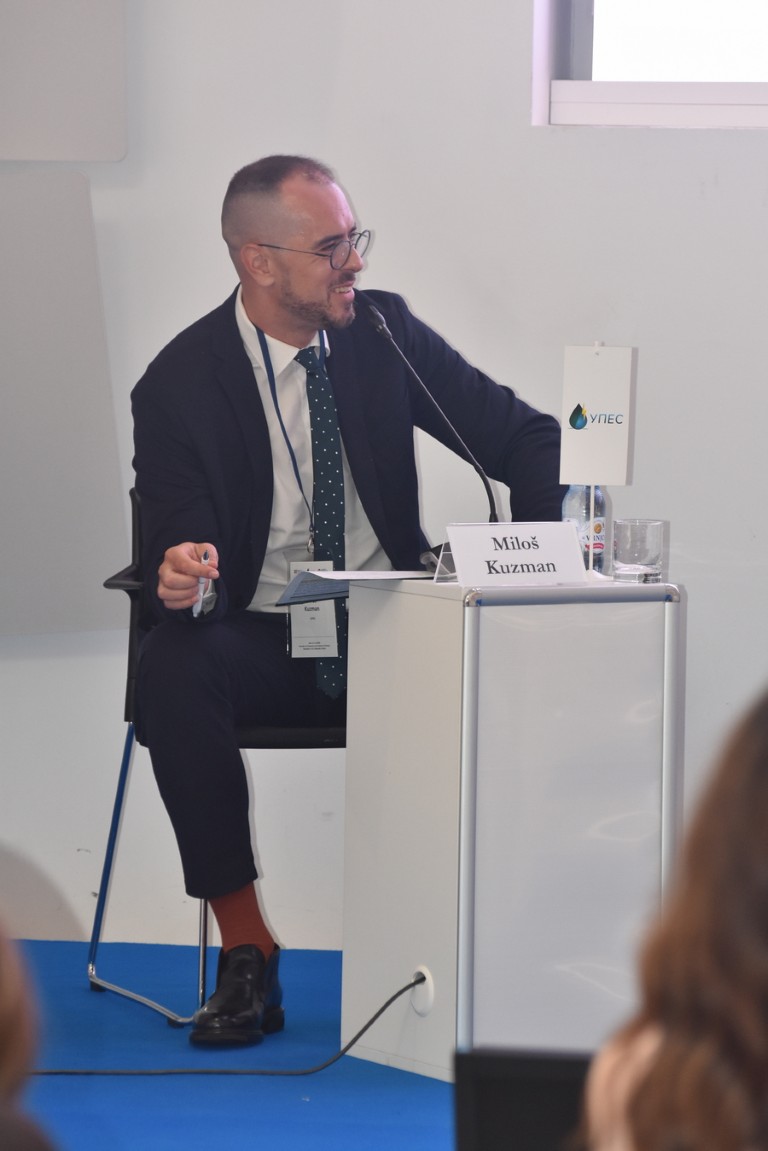
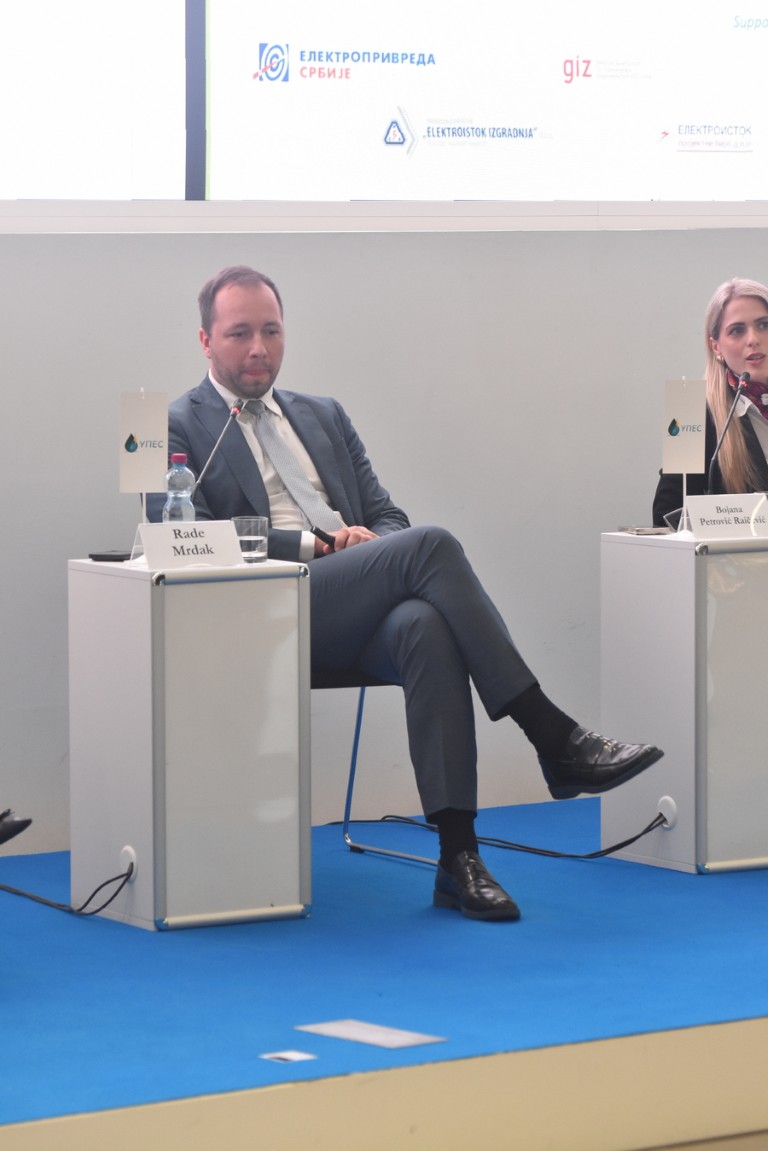
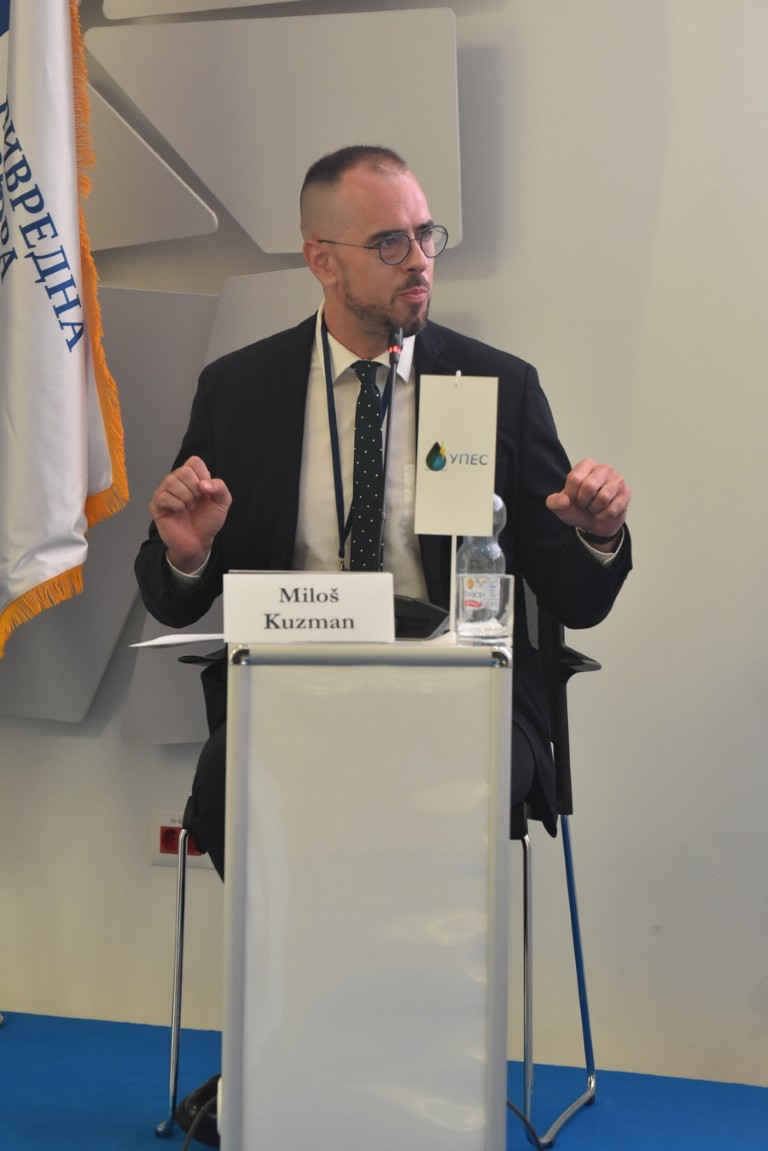
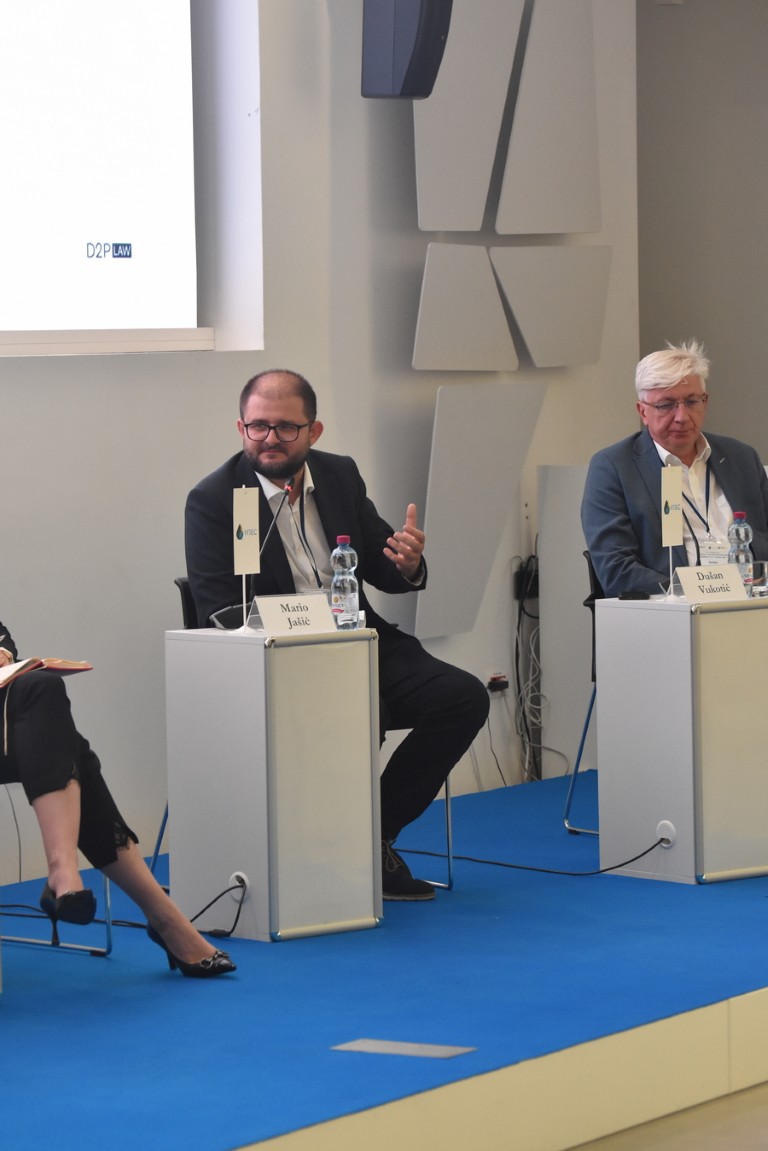
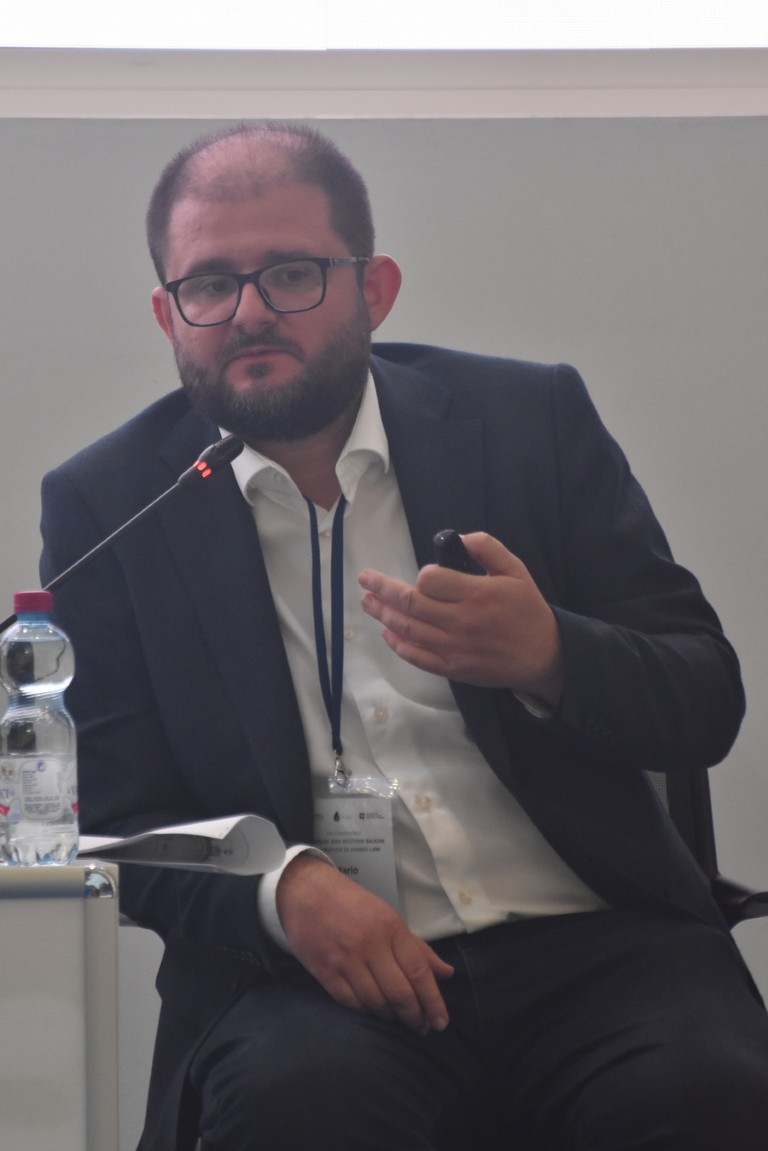
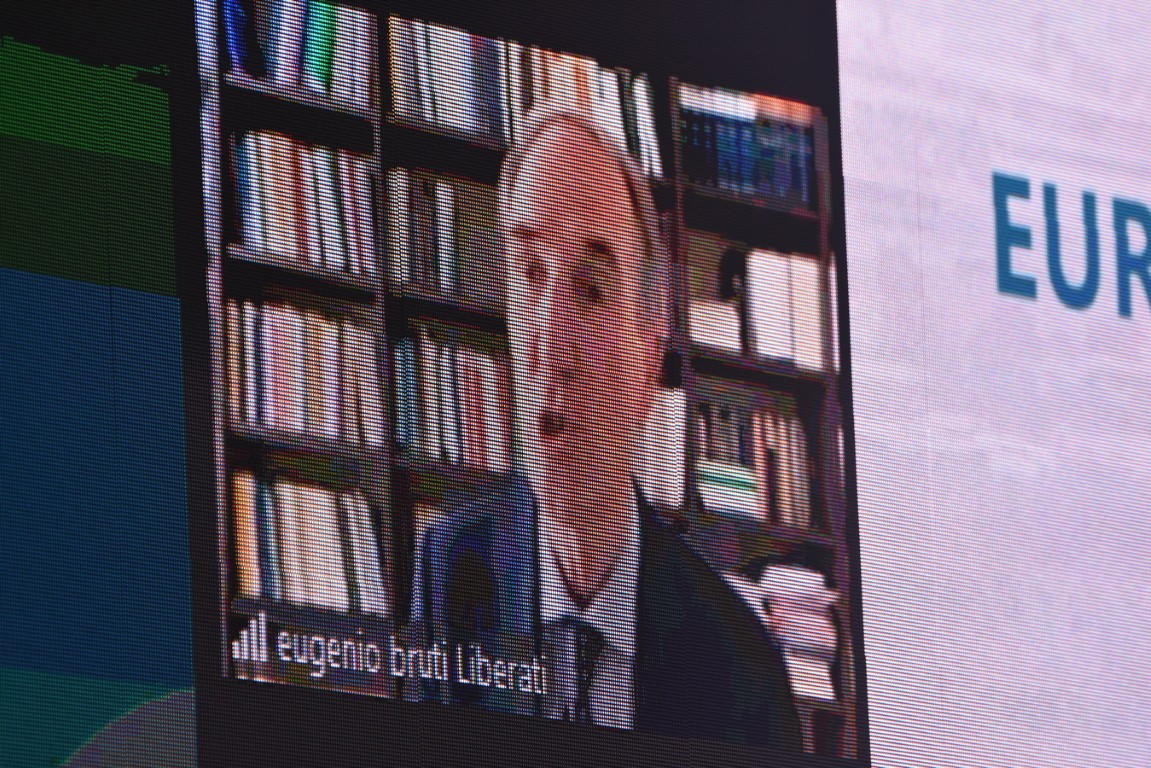
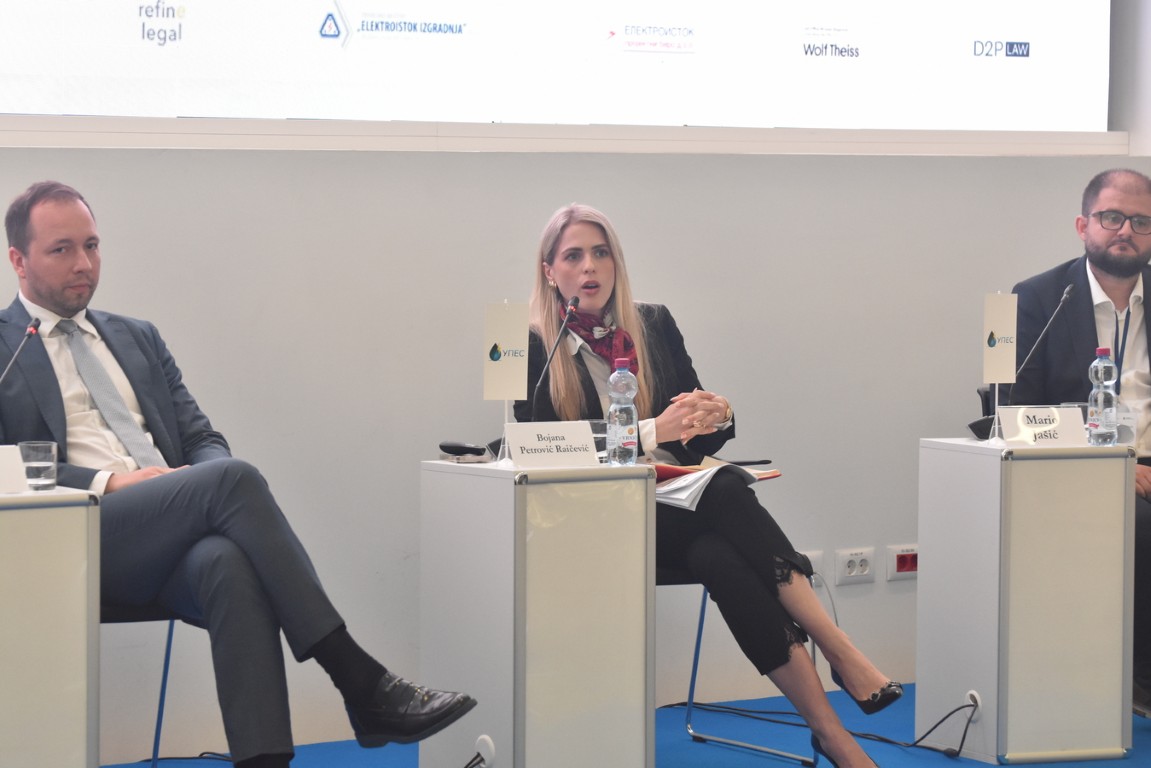
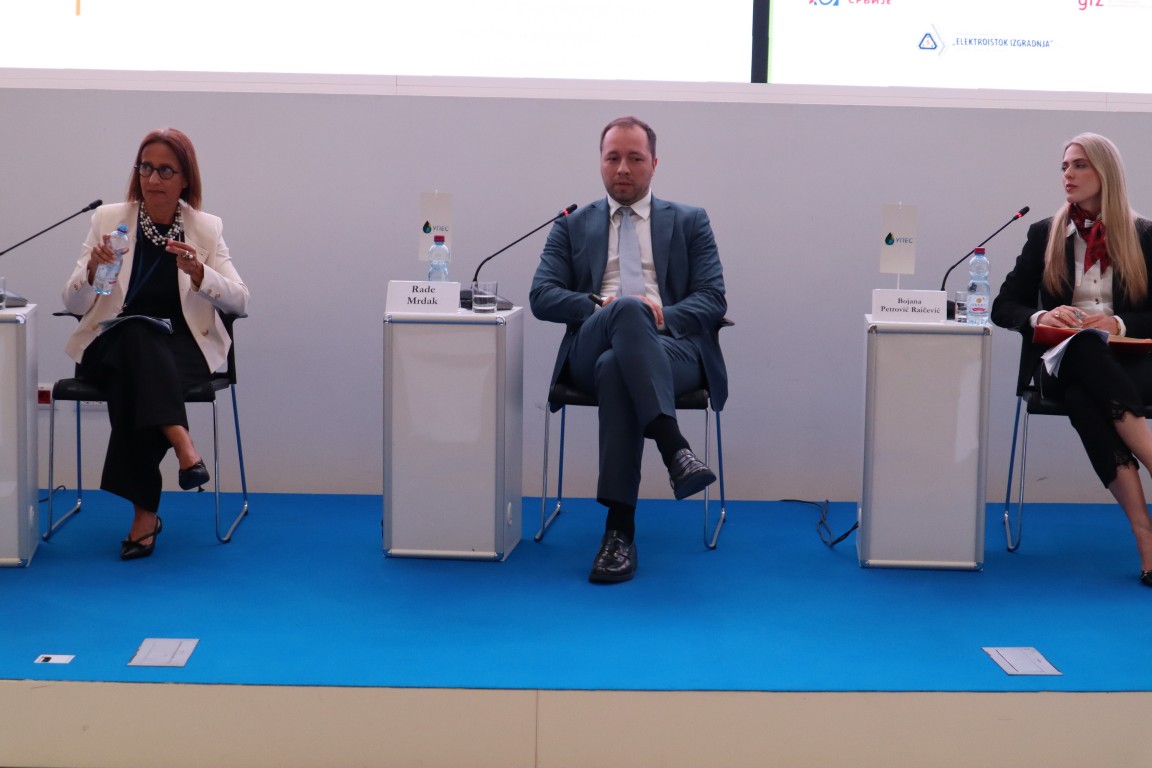
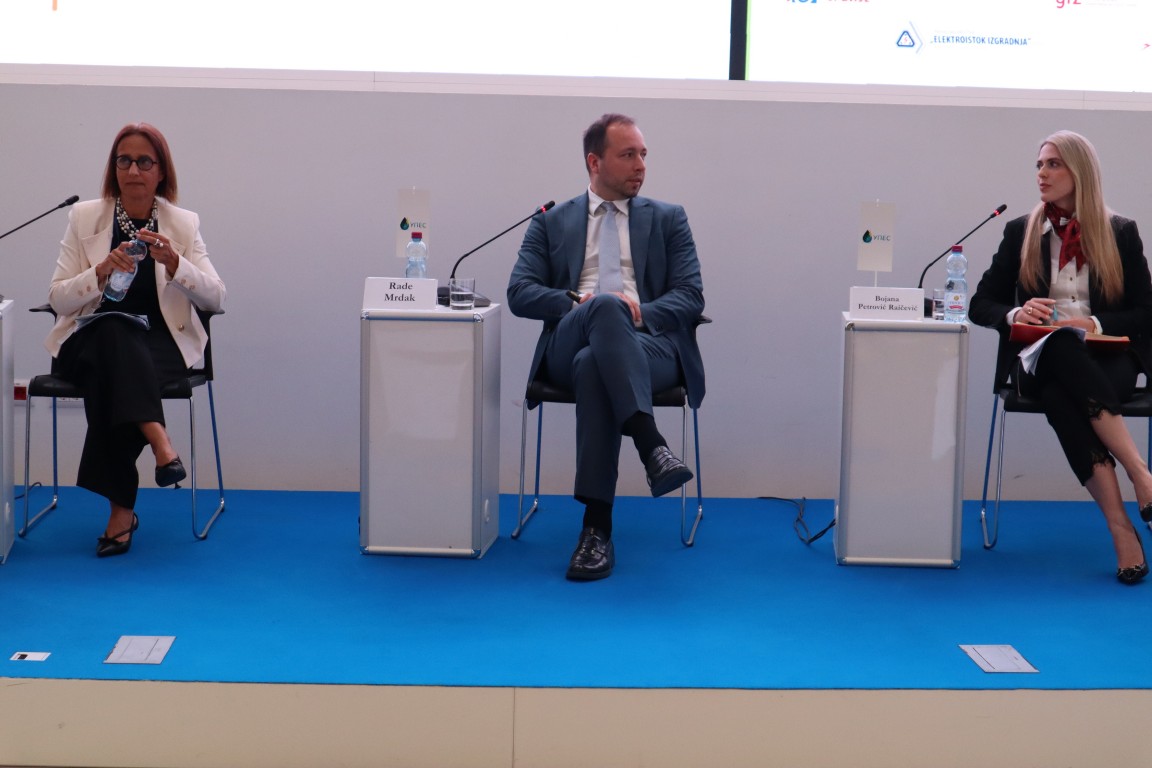
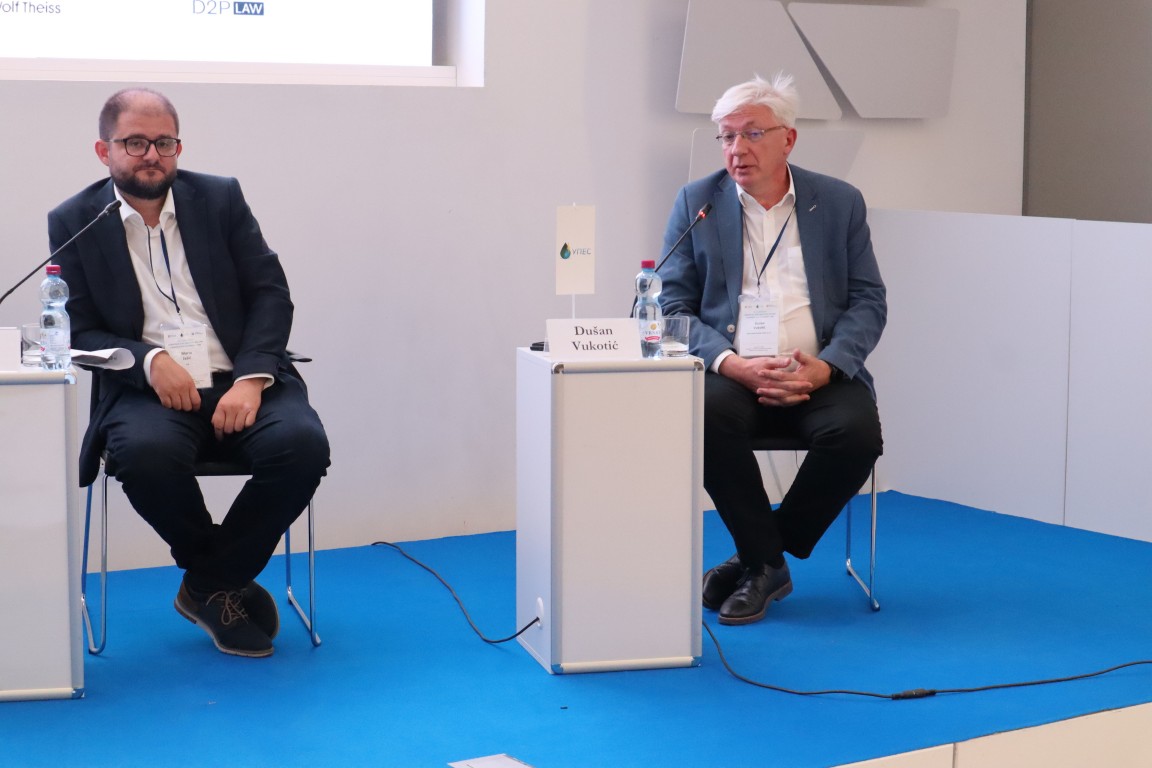
III session: CITIZEN-LED ENERGY DEMOCRACY: EXPERIENCES OF ENERGY COMMUNITIES was moderated by Miloš Kuzman, Vice-President of UPES. Keynote speech: From energy community to Zero emission city, was provided by Ivone Rocha, Partner, Telles de Abreu Law Firm and Deloitte, Portugal, she explained experience of Portugal in energy communities. Three panellists described different country cases of energy communities and practical challenges of distribution grid to facilitate energy communities. Rade Mrdak, Special Advisor, Ministry of Mining and Energy of the Republic of Serbia, explained Serbian case and Mario Jašić, GIZ explained Case of Bosnia and Herzegovina. Dušan Vukotić, Elektrodistribucija Srbije ltd, spoke about distribution grid challenges. Closing lecture was provided by Eugenio Bruti Liberati, Full Professor of Administrative Law, Università del Piemonte Orientale, Vice-President of EFELA, Italy. He explained the European model of Energy Communities: Climate, Social, and Political Sustainability. After all presentations, Bojana Petrović Raičević, Expert of Energy and Environmental, NIS Jsc provided lessons learned to the audience.
GUEST LECTURE was provided by Evi Fragkoudaki, Head of European and International Affairs Unit, Regulatory Authority for Energy, Waste and Water (RAAEY), Athens, Greece. She lectured about the Need for Modernization/Adaptation of the Energy Regulators as Consequence of New Energy Market from aspects of the case of Greece.
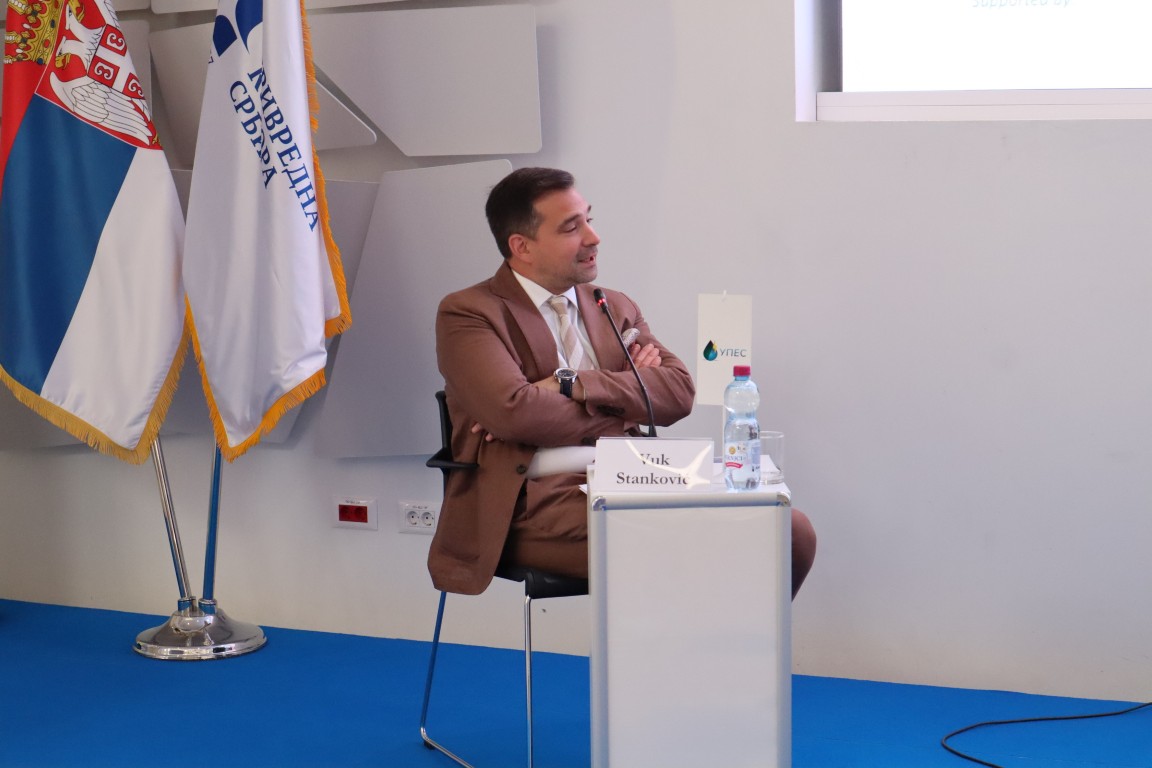
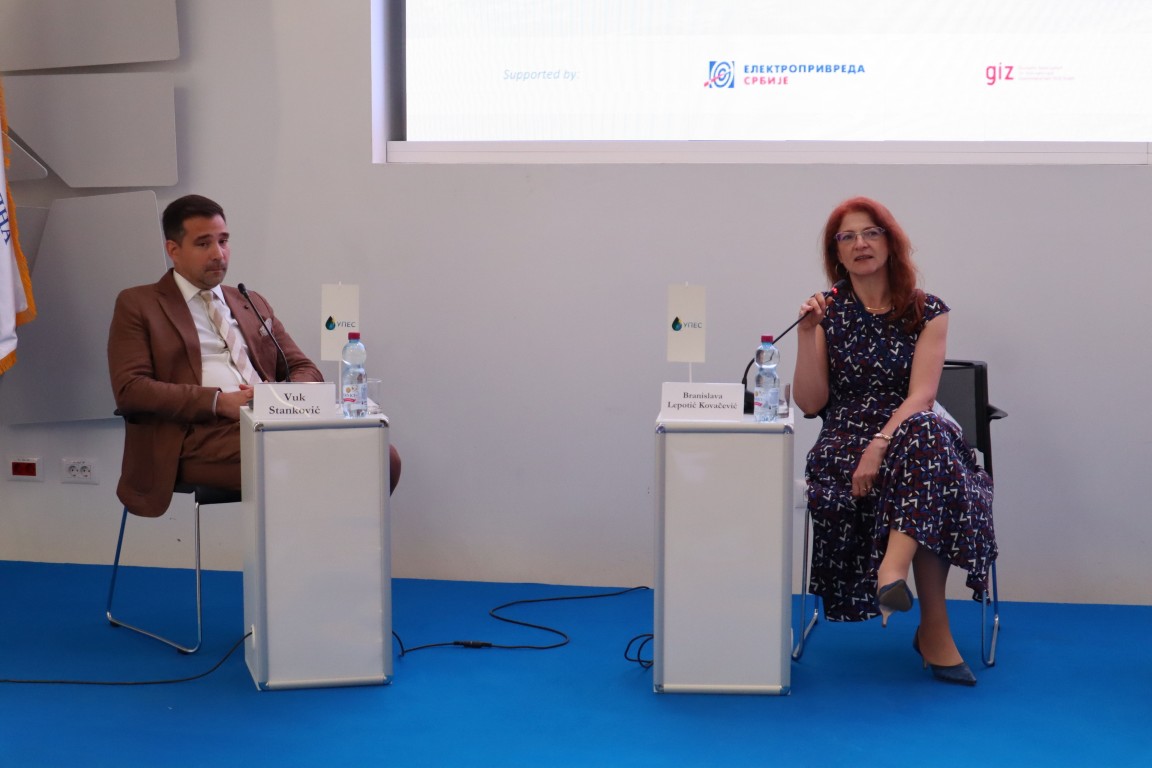
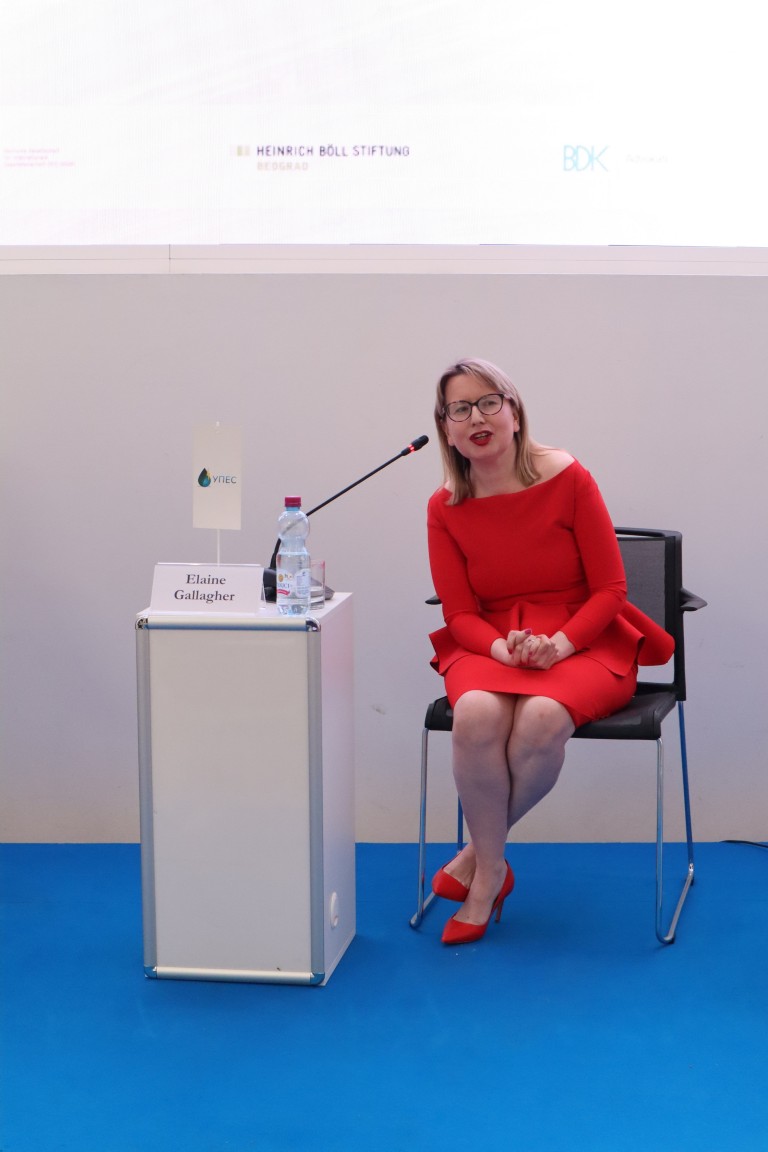
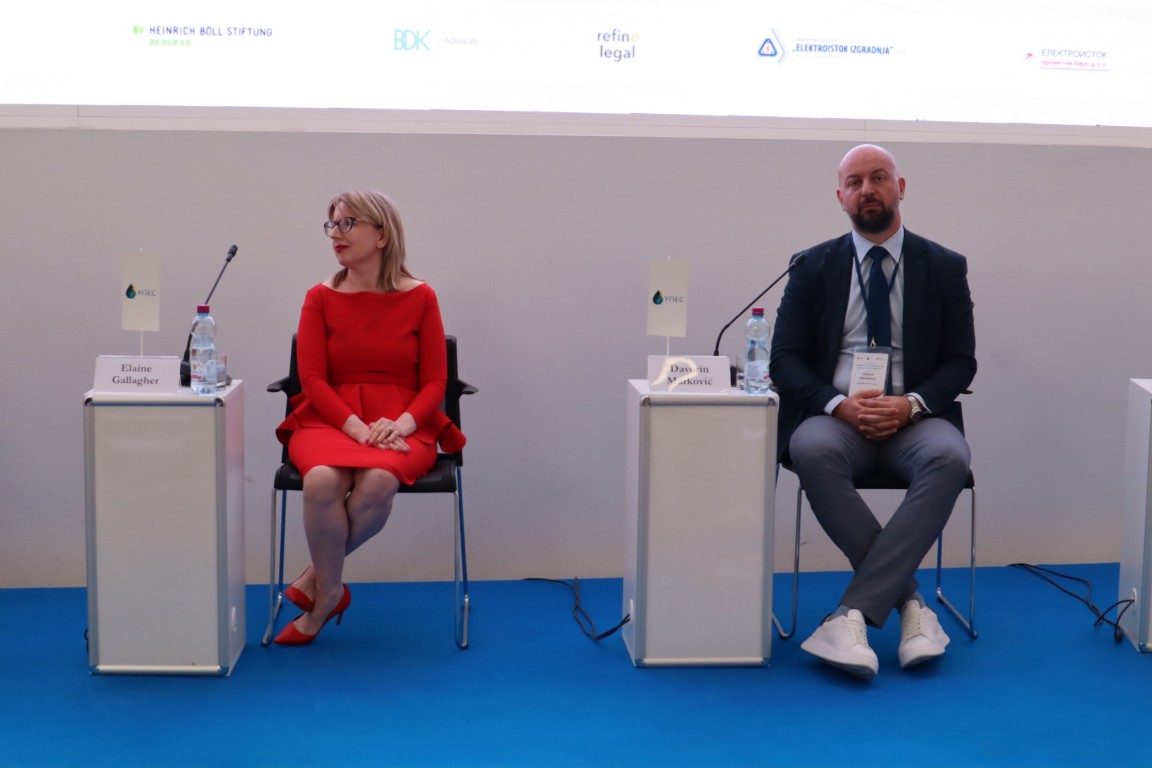
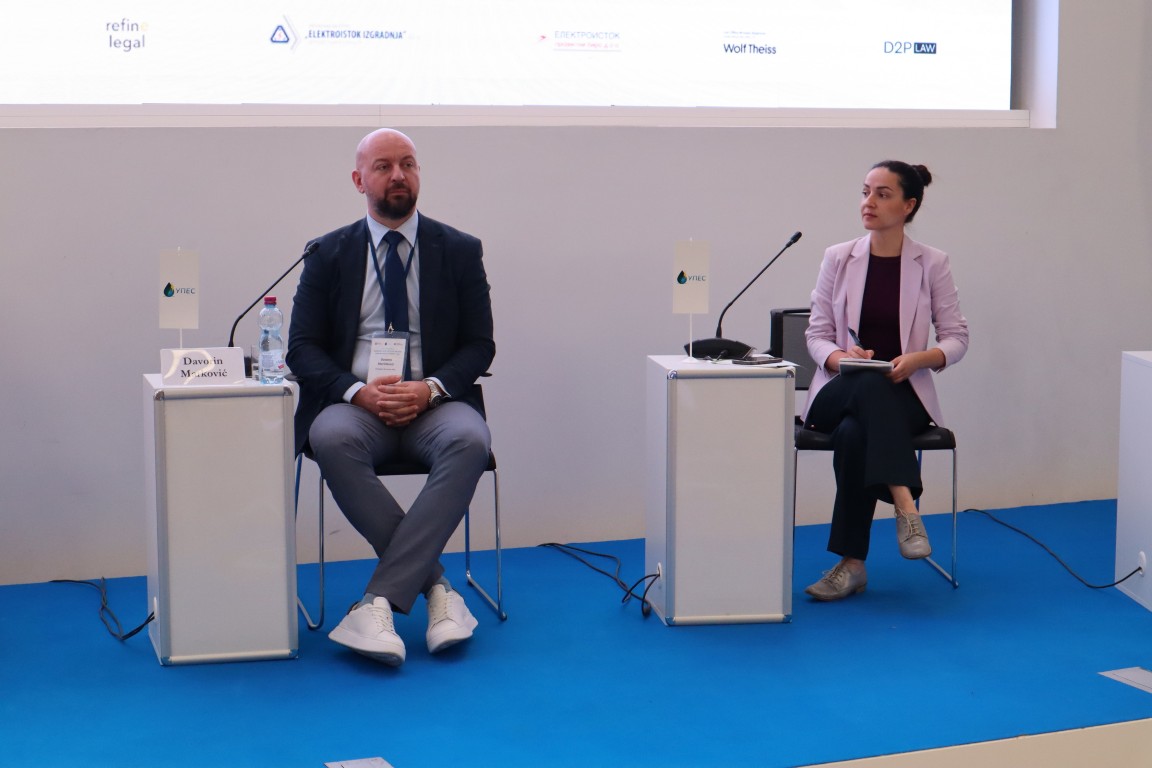
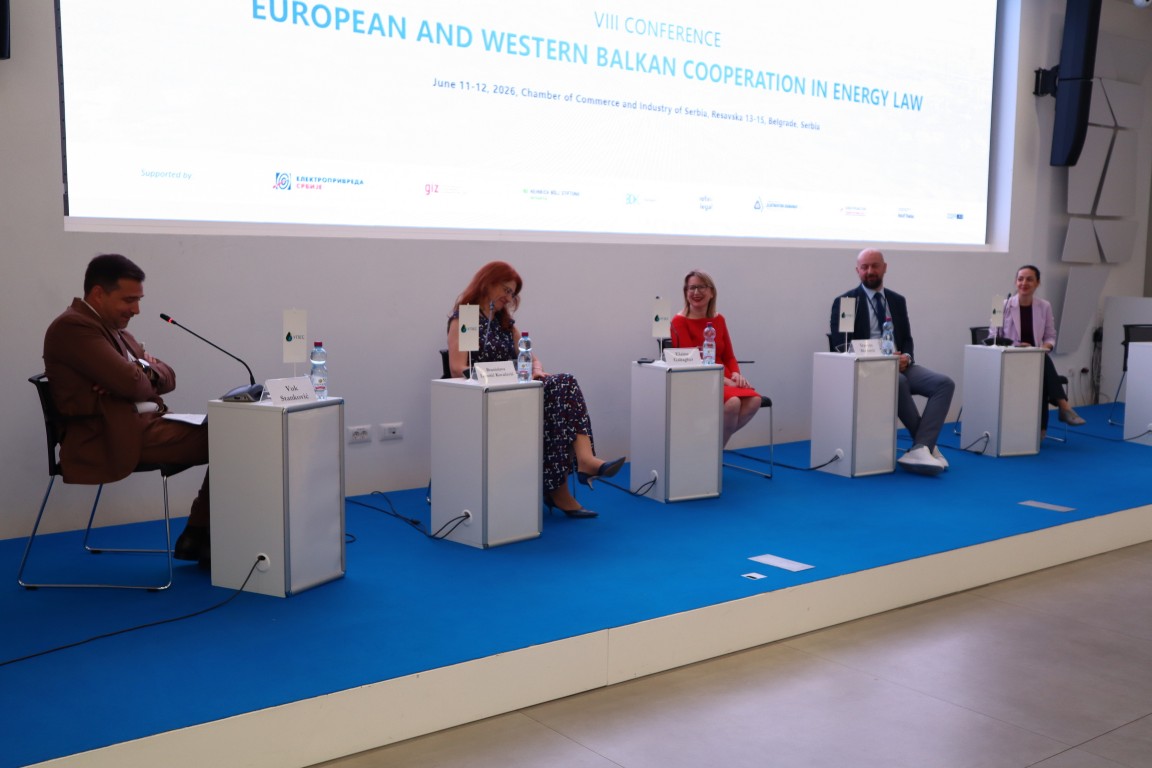
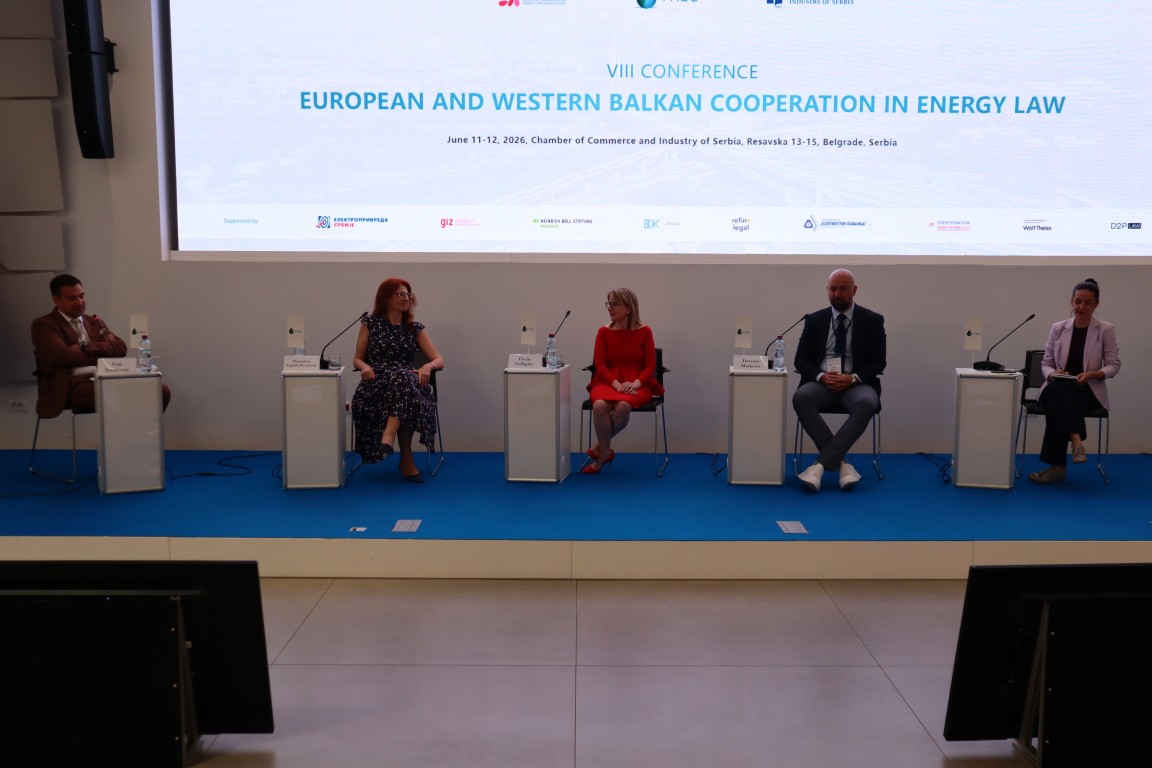
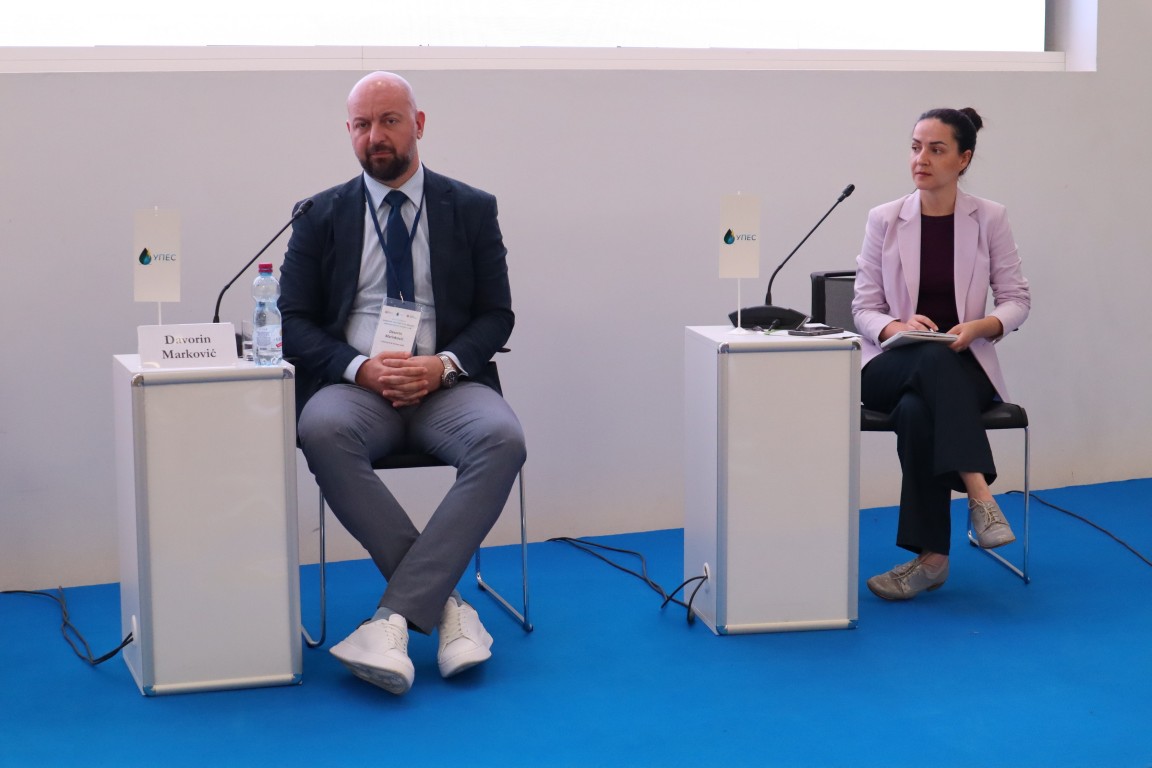
IV session: THE IMPORTANCE OF ENERGY LAW ASSOCIATIONS IN ADDRESSING THE ISSUE OF ENERGY SECURITY was moderated by Vuk Stanković, Vice-President of UPES. Three panellists explained cases their energy law associations ie. case of Ireland, Bosnia and Herzegovina and Serbia. Jedna od njih, Elaine Gallagher, Senior Solicitor, Energy Regulation and Markets, ESB, Ireland, explained legal and regulatory developments that have proven most important in strengthening Ireland’s energy security. Davorin Marinković, Dimitrijević and partners, Bosnia and Herzegovina spoke about challenges of complex regulatory and institutional framework of Bosnia and Herzegovina as well as possibilities of professional associations to help improvement of coordination and connections of institutions and stakeholders. Branislava Lepotić Kovačević, Serbia, spoke about most tangible contribution of an energy law association — legislative advocacy, professional education, bridging institutions and industry and sharing knowledge. After the conversation, Anđelka Todorović, partner, Wolf Theiss, Serbia and Association Secretary of UPES, provided lessons learned to the audience.
Closing remarks of the conference was given by Marinella De Focatiis and Branislava Lepotić Kovačeivić. They underlined importance of the energy law conferences and activities of the energy law associations to improve energy law regulatory and practical aspects as and crucial frame for energy sector. Sharing knowledge, networking of professionals and inspiration between participants are the most important benefit of energy associations and its activities and all of that is the special additional value.
Conference was supported by:
The program of the Conference can be found here.
You can listen to the recording of the conference here: 11.06.2026., 12.06.2026.
Photos from the conference can be viewed here